
Acrylamide monomer quality specifications decide whether a polymer batch reaches its target molecular weight, dissolves cleanly, and performs the same way lot after lot. In our production planning for polyacrylamide and acrylic chemical lines, purity percentage alone has never been a reliable predictor of reactor behavior. Conductivity, moisture, residual monomer, and inhibitor range influence polymerization more directly, and buyers who treat those numbers as the purchase filter catch variation before it enters the reactor. The sections below walk through the specification points we check and why each one matters.
Acrylamide monomer quality specifications begin with purity, conductivity, and moisture
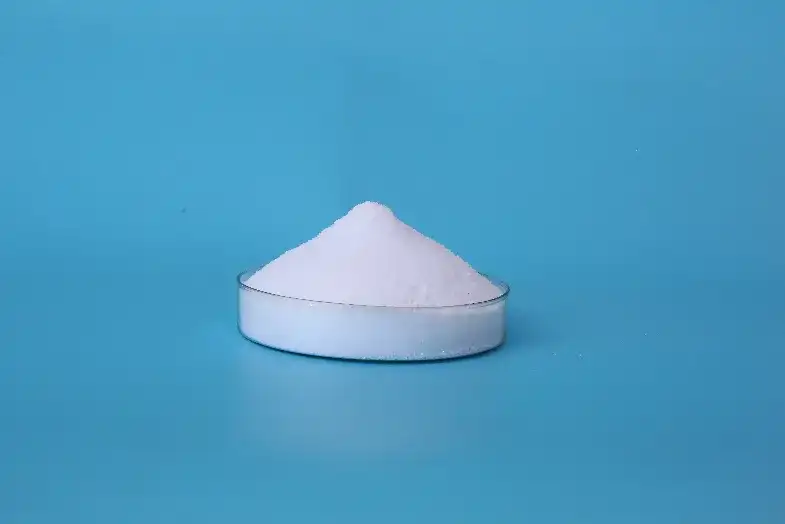
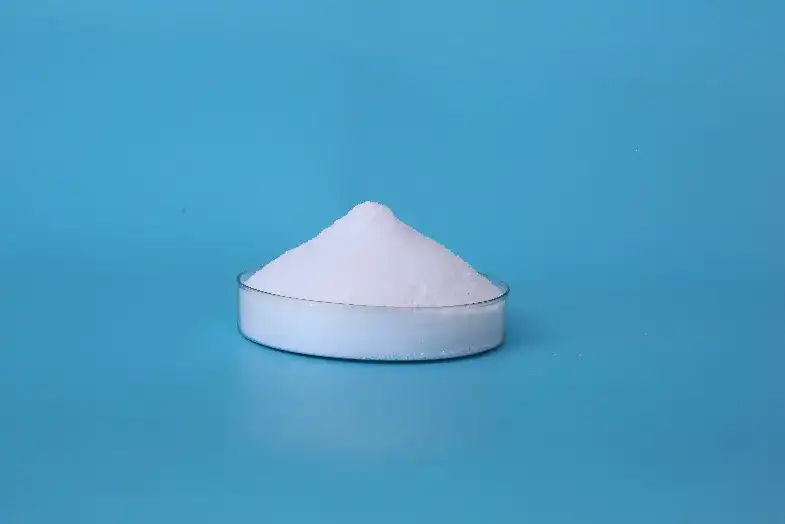
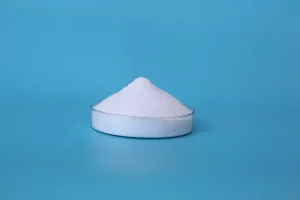
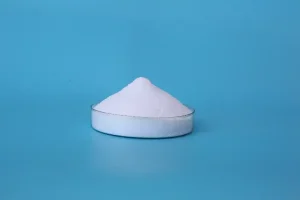
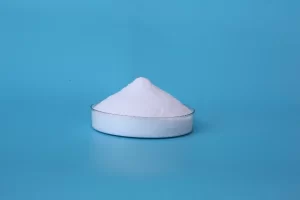
For AM Crystal, purity should be at least 98.0 percent, moisture no more than 0.8 percent, and conductivity no more than 20 μS/cm. Those three figures describe the same material from different angles. Purity states how much of the dry mass is acrylamide. Moisture states how much water is already present in the flake, with high moisture inviting hydrolysis, caking, and storage instability. Conductivity states how many ionic species travel through the monomer, a signal of inorganic salts and organic acids that can interfere with catalyst performance and final polymer solubility. Our crystal specification also sets pH at 6.5 to 7.5, color at 10 or below, and iron at no more than 1 ×10⁻⁶, because even a small metal load can promote side reactions during synthesis.
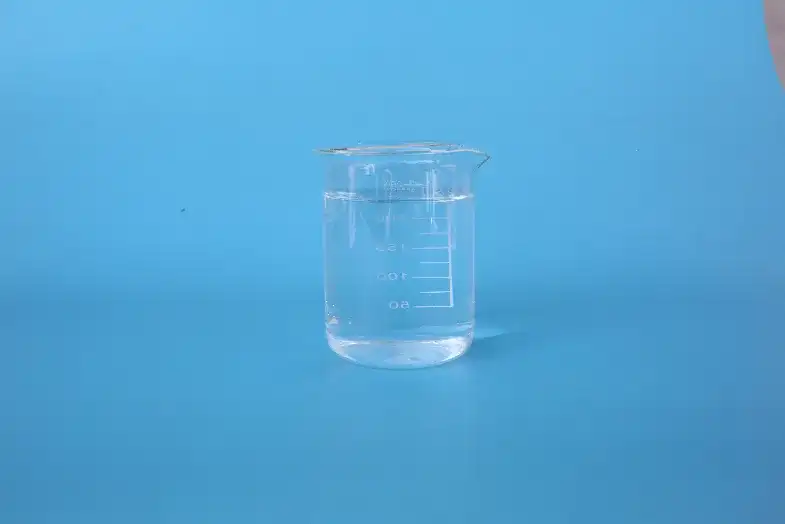
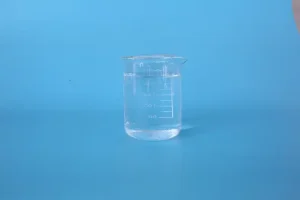
For aqueous solution, the grade range runs from 28 to 30 percent, 38 to 42 percent, or 48 to 52 percent acrylamide depending on the plant’s feed and dilution system. The same solution grade carries pH from 7.0 to 9.0 and conductivity from 5 to 30 μS/cm depending on grade, with color held at 20 or below. The concentration selected should match the operation’s pumping, storage, and initiator handling, not a generic preference for one number.
Impurity and inhibitor levels determine how acrylamide monomer polymerizes
Purity tells you how much acrylamide is present. Impurities tell you what the reaction will do. Residual acrylonitrile and acrylic acid are the two most relevant limits in the aqueous grade. Acrylonitrile limited to 0.1 percent and acrylic acid limited to 0.3 percent keep copolymer composition predictable, especially when a customer is producing anionic polyacrylamide where carboxyl groups already play a role. Higher residuals can shift charge density or alter chain growth, and the effect shows up later as viscosity drift or off target charge demand.
Inhibitor is a different class of compound. Crystal grade is controlled between 3 and 10 ×10⁻⁶, while solution grade is controlled between 0 and 100 ppm depending on storage and transport requirements. The inhibitor prevents premature polymerization during shipment, but it must be consumed by the initiator system at the start of reaction. If a plant changes suppliers and does not check this range, the same initiator charge can produce slower kickoff or a delayed exotherm.
Color and iron limits protect high molecular weight synthesis
Color is not cosmetic. A reading above 10 in crystal often indicates oxidation products or polymer fines that can seed haze in the final polyacrylamide solution. Iron above 1 ×10⁻⁶ can act as a redox center with some initiator systems. We prefer to reject incoming crystal at the gate when color or iron breaches the listed limits, because the cost of an off specification reactor batch is much higher than the delay in material release.
Crystal and aqueous acrylamide monomer specifications serve different production needs
Crystal monomer fits batch polymerization, long storage, and transport into plants that already operate a dissolution step. Flake crystal stays stable for 1 to 2 years when stored cool and dark, so it is the practical choice for buyers who hold safety stock or ship across long lead times. Aqueous solution removes the dissolution step and fits continuous or high volume operations, but it is more sensitive to heat and UV exposure and usually requires a confirmed consumption schedule. The logistical difference also shows in freight: solution delivers water and monomer together, which changes transport weight, freezing protection, and tank fit.
Choosing the right grade starts with plant logistics
A plant that runs one or two large polymerization campaigns per month may find solution easier to feed and account for. A plant that stores material for months and runs smaller batch reactors may find crystal less demanding to hold. The table below sets the core specification differences side by side.
| Parameter | AM Crystal | AM Aqueous Solution |
|---|---|---|
| Active content | Purity at least 98.0 percent | 28 to 30, 38 to 42, or 48 to 52 percent |
| Key residual limits | Moisture max 0.8 percent; iron max 1 ×10⁻⁶ | Acrylonitrile max 0.1 percent; acrylic acid max 0.3 percent |
| pH | 6.5 to 7.5 | 7.0 to 9.0 |
| Conductivity | Max 20 μS/cm | 5 to 30 μS/cm depending on grade |
| Inhibitor | 3 to 10 ×10⁻⁶ | 0 to 100 ppm |
The monomer chemistry is similar in both forms. The surrounding specifications are not, and the grade decision should follow the plant’s actual batch schedule rather than a general preference for dry or liquid feed.
If your site is comparing 40 percent and 50 percent solution for continuous polymerization, it is worth confirming conductivity and inhibitor limits before finalizing the purchase plan. Send your process details and monthly volume to en*****@***er.com.
Test methods turn acrylamide monomer specifications into verifiable evidence
A specification sheet is only as useful as the quality control data behind it. When we release AM Crystal, the certificate of analysis includes purity, moisture, pH, conductivity, color, and iron, and each value is tied to a batch number rather than a general product brochure. Buyers should ask for the same level of traceability. Incoming inspection should measure pH and conductivity because these two can shift during transport, and moisture should be confirmed before flake enters a dissolution tank. Solubility under the plant’s standard mixing conditions can reveal gel specks or undissolved fines that a simple purity test will not catch.
In the polymer campaigns we have supported, conductivity has been the most likely hidden cause when a customer reports inconsistent viscosity. The solution clears, the reaction proceeds, yet the molecular weight distribution drifts. A conductivity check on the retained monomer sample often separates the bad lot from the process change.
Specification first sourcing protects acrylamide monomer buyers from costly deviations
Cost per ton is easy to compare. Specification risk is not. A monomer lot that passes headline purity but carries high inhibitor or ionic contamination can force a polyacrylamide producer to adjust initiator loading, extend reaction time, or downgrade an entire batch. Those costs arrive after the invoice, and they are rarely visible in the purchase price. Specification first sourcing means setting internal limits before asking for quotes, then requiring a batch certificate that matches those limits.
Our AM Crystal uses microbial technology to keep impurity levels low, with purity at 98.0 percent or above and conductivity controlled to 20 μS/cm or below. Solution grades are held to the limits already described, and production capacity covers both domestic and export supply. The point is not that one specification fits every plant. The point is that the specification must be visible before price becomes the deciding factor.
If your polyacrylamide or SAP project has a target molecular weight range and a defined initiator system, send your polymerization method, required inhibitor range, and planned monthly volume to en*****@***er.com or call +86-532-66712876. We will confirm which crystal or aqueous specification fits your process before you commit.
Buyers ask these questions about acrylamide monomer specifications
Does higher purity always mean better acrylamide monomer?
No. Purity is the first gate, not the only one. A 98.5 percent crystal can still carry moisture, ionic residue, or inhibitor variation that changes how it polymerizes. For most polyacrylamide production, conductivity and inhibitor consistency matter more than an extra half point of purity because they affect catalyst timing and molecular weight distribution. Buyers should treat purity as a minimum, then require limits on the other parameters. A supplier who reports a high purity number but cannot provide batch level conductivity, moisture, and iron data is giving an incomplete picture.
Which specification matters most for high molecular weight polyacrylamide?
Buyers often assume viscosity and molecular weight depend on the reactor recipe alone. In practice, trace ionic residues and moisture in the monomer can shorten chain growth and narrow the molecular weight window. For high molecular weight anionic polyacrylamide, conductivity and iron limits deserve the most attention during monomer approval because they can interact with the initiator system. Moisture still matters because water entering with the flake must be accounted for in the charge calculation. Once those limits are fixed, the reactor can be tuned to the monomer instead of chasing variation.
Can crystal and aqueous acrylamide monomer be used interchangeably?
It depends on the plant’s equipment and consumption rate. Batch reactors with a dissolution step can usually qualify both forms, while continuous plants often prefer aqueous solution because it removes handling and dissolving time. Crystal suits long storage and lower volume use. Solution suits steady draw and controlled tank conditions. The chemistry is the same, but the surrounding logistics and quality control limits are not. A plant should run a qualification batch before switching forms, because inhibitor, pH, and feed systems all need to be checked against the new material.
How should crystal acrylamide monomer be stored before use?
Cool, dark, and dry storage is the standard. Our crystal stays usable for 1 to 2 years when kept away from heat, direct sunlight, and moisture. Storage failures usually show up first as caking, color shift, or a conductivity rise in the retained sample. If the flake has picked up water or turned off white, it should be tested before it enters the reactor. Keep the original packaging closed until use, and segregate incoming lots so that any later batch question can be traced to a specific delivery. If you are setting storage and qualification limits, share your polymerization method and monthly volume, and we will confirm which specification range fits the process.
If you’re interested, check out these related articles:
Innovation Drives Sustainability: NuoER Group Showcases Advanced Water Treatment Solutions at IEexpo China 2026
Amphoteric Polyacrylamide: Industrial Applications & Performance Guide
Acrylic Acid for Coatings and Adhesives: Performance Solutions


 English
 Russian
 Arabic
 Spanish