
Non-ionic polyacrylamide is often purchased as a commodity flocculant, but the properties that matter most are the ones most specifications leave unstated. Molecular weight, residual acrylamide, and solubility behavior decide whether a batch performs at dose or forces a plant restart. In fifteen years of polymer production and global market support work, I have seen more specification failures trace back to missing property checks than to the base chemistry itself. Buyers should treat non-ionic PAM as a specification problem first. That means locking the few measurable properties that control handling, flocculation, and compliance before price enters the comparison.
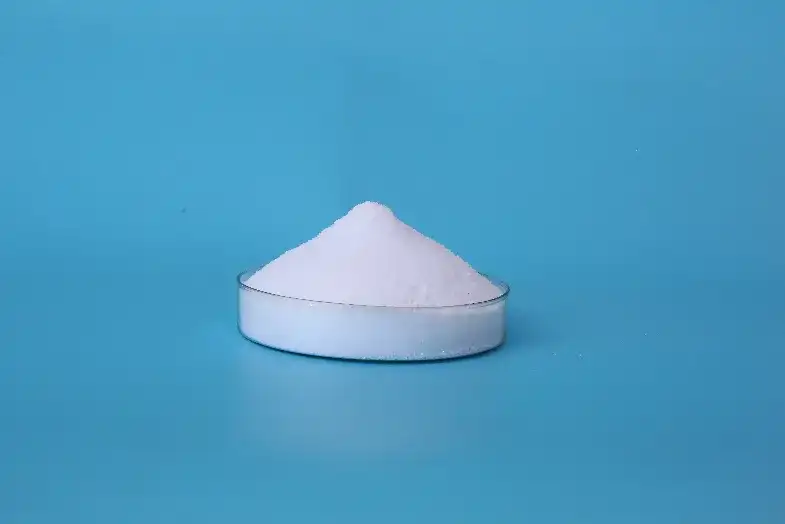
Non-Ionic Polyacrylamide Structure and Charge Behavior
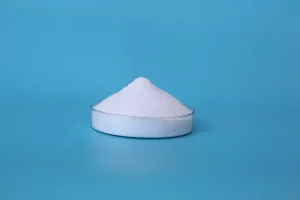
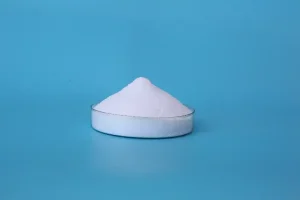
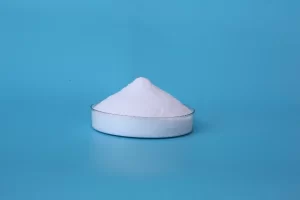
Non-ionic polyacrylamide is a linear homopolymer of acrylamide. The amide groups along the chain carry no dissociable ionic charge, which gives the product a low ionization degree and a different failure profile from anionic or cationic polyacrylamide. In water treatment, charge neutralization plays a much smaller role than bridging and hydrogen bonding. That changes how the product responds to pH and dissolved salts. A charge-bearing copolymer may lose extended chain conformation when the water chemistry shifts; non-ionic PAM retains more predictable viscosity because there is no electrostatic repulsion to collapse. In acidic process streams where hydrolyzed polyacrylamide can underperform, this grade often holds flocculation better.
| Property | What to Check | Why It Matters |
|---|---|---|
| Ionic charge | Confirm near zero charge density | Avoids pH dependent flocculant collapse |
| Molecular weight | Viscosity data in deionized water | Sets bridging strength and dose |
| Residual acrylamide | Batch certificate value | Controls worker exposure risk |
| Moisture content | Stated moisture limit | Protects dosing accuracy in storage |
| Insoluble matter | Filtration or mesh retention | Prevents nozzle and pump blockages |
Molecular Weight, Viscosity, and Flocculation Strength
Molecular weight is the property that most directly controls non-ionic PAM performance. Higher molecular weight increases bridging length, so a lower dose can capture more fine solids. On the production side, viscosity serves as the practical control point because direct molecular weight measurement is slow and expensive. A buyer should ask for the supplier’s test method and the viscosity range tied to each grade. Two products can both be labeled high molecular weight and still diverge substantially once dissolved. That difference shows up as overdosing or underdosing in the plant, not as a rejection at the warehouse. Flocculation strength therefore should be anchored to a viscosity specification, not only to a marketing term.
Non-Ionic Polyacrylamide Solubility Under pH and Salt Stress
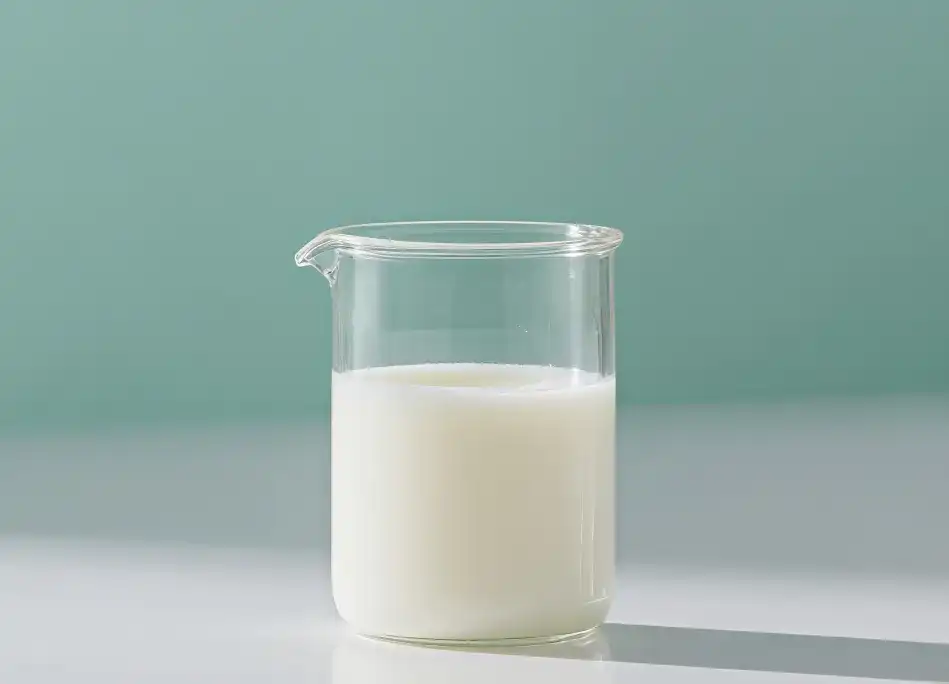
Most product sheets describe solubility in clean water, but the plant condition is rarely clean. Non-ionic PAM dissolves through hydration of the amide groups, and dissolution time depends on particle size, water temperature, and mixing energy. High salt water slows hydration by competing for water molecules, though the effect is less severe than for ionic polymers because there is no counterion shielding to manage. The practical concern is pH stress. Below pH 5, anionic hydrolyzed PAM can lose its extended state, while non-ionic PAM continues to work. We still ask customers to run a jar test in the actual process water. Solubility at bench scale does not guarantee that plant transfer lines will wet the polymer fully before the first dosing point.
If your stream operates below pH 5 or above pH 9, ask for viscosity retention data in your water, not just standard lab data. Send the water analysis to en*****@***er.com and we can confirm which non-ionic PAM grade maintains molecular weight under that ionic strength.
Purity, Residual Monomer, and Handling Risk
Residual acrylamide is the one property that separates a low-risk supply from a compliance problem. Acrylamide is the starting monomer, and no industrial polymerization converts every last trace. A buyer should set a maximum residual acrylamide content before ordering, then require the batch certificate to show the actual value. Purity also matters through by-products and insolubles that can settle in dosing lines. We treat low residual monomer as a plant safety parameter rather than a cosmetic grade difference. The harder question is what purity level the application actually requires. Papermaking, plants with strict worker exposure limits, and export audited sites each justify a tighter reading, while a general mining thickener may accept a broader range if the other mechanical risks are controlled.
Confirming Your Non-Ionic Polyacrylamide Specification
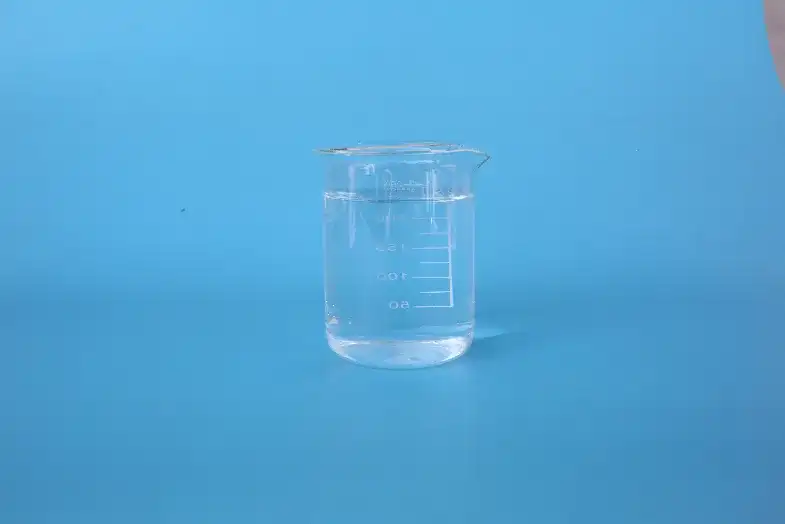
Most failures we correct at the qualification stage come from incomplete specifications, not bad chemistry. A workable specification names the charge type, the viscosity or molecular weight band, the dissolution time under your mixing conditions, and the maximum residual acrylamide. The buyer then asks for a batch certificate that proves those values instead of accepting a generic product description. If you are replacing an existing polyacrylamide grade, include the current product’s datasheet and a one liter sample of your process water. Shandong Nuoer operates 500,000 tons of annual polyacrylamide capacity and can align a non-ionic grade to that measured baseline. Send the specification and water analysis to en*****@***er.com or call +86-532-66712876, and we will confirm stock, grade fit, and required documentation.
Questions Buyers Ask About Non-Ionic Polyacrylamide
Why does non-ionic polyacrylamide flocculate less in high salinity water?
High salinity compresses the polymer chain by disrupting the hydration layer that keeps the polymer extended. Without ionic charge to generate electrostatic repulsion, there is no internal force resisting that compression. Flocculation still occurs through bridging, but the effective chain volume shrinks, so the dose may need to rise. In high salt streams we have reviewed, correction usually comes from raising dose or improving mixing energy before switching charge type.
Does non-ionic polyacrylamide stop working below pH 5?
A common assumption is that non-ionic PAM fails in acidic conditions. It does not. The amide group does not protonate in the way anionic carboxylate groups do, so the polymer remains uncharged and continues to bridge fine solids below pH 5. That is the main reason it outperforms partially hydrolyzed polyacrylamide in strongly acidic wastewater. The limitation is not pH chemistry but solids surface charge. If the suspended solids become strongly positive, dosage may need adjustment.
How much residual acrylamide should a buyer specify?
It depends on the use and the audit exposure. For general industrial solid-liquid separation, a maximum in the low hundred parts per million range is often workable if workers handle the product with dust controls. For processes with strict exposure limits or tight corporate standards, buyers usually set a lower limit and require batch level evidence. The important point is to set a number. A specification that says low residual acrylamide without a maximum gives the supplier no enforceable target, and it gives the buyer no way to compare two certificate values.
Can one non-ionic polyacrylamide grade work across every plant stream?
In the qualification programs I have reviewed, a single grade rarely remains optimal across streams with very different ionic strength and mixing energy. The polymer chemistry stays stable, so performance loss usually comes from the application side rather than the product side. One grade may bridge well in a clarifier but underdose in a thickener with shorter residence time. Before standardizing, run jar tests at the two most different operating points. Share those results and your current dosage data to en*****@***er.com, and we will confirm whether one specification covers both duties or whether a second grade is justified.
If you’re interested, check out these related articles:
Cationic Polyacrylamide: Municipal Wastewater Treatment Solutions
Nuoer Biotech Helps Ensure the Successful Convening of the 2025 Annual Meeting of the National Functional Polymer Industry Committee and the Industry Development High-Level Technology Forum
High vs Low Molecular Weight Non Ionic PAM: Selection Guide


 English
 Russian
 Arabic
 Spanish