
Acidic wastewater punishes the wrong flocculant choice quickly. Metal salts, sulfate loads, and low pH collapse many anionic polymer chains into a protonated state, and settling suffers before operators see a clear cause. Non-ionic PAM for acidic wastewater is the most stable starting point in this operating window because its amide groups stay nonionic across a wide pH range. In our production planning, we see plants switch to non-ionic polyacrylamide after jar tests expose the failure of hydrolyzed grades at pH 4 and below. This article sets out the selection criteria that matter.
Why Does Acidic Wastewater Change Flocculant Selection?
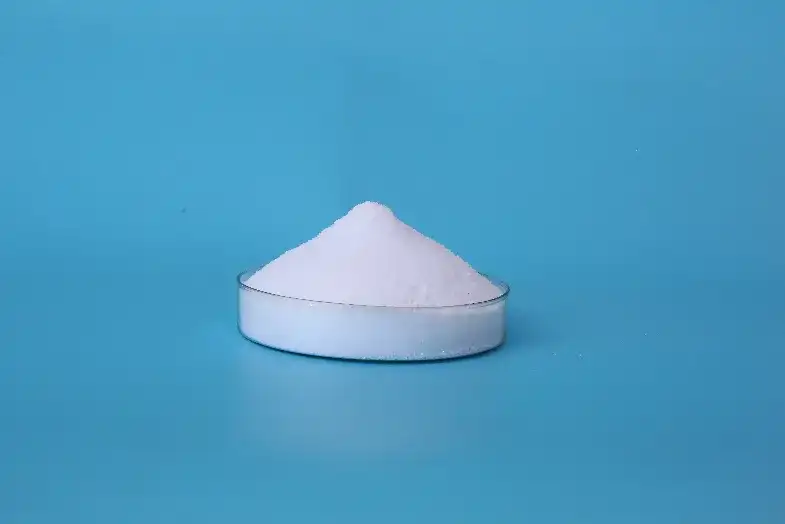
In neutral and alkaline streams, anionic polyacrylamide carries ionized carboxylate groups that stretch the polymer chain and bridge fine solids. Once pH drops toward 5 and below, those carboxylate groups protonate, the chain tightens, and the bridging mechanism weakens. The stream itself usually becomes more aggressive as well. Acid mine drainage, pickling rinse water, flue gas desulfurization blowdown, and battery manufacturing effluent carry dissolved iron, aluminum, and sulfate that screen polymer charge and interfere with floc formation. Non-ionic polyacrylamide is a high molecular weight acrylamide homopolymer with low ionization. Our product data note that its flocculation performance is less affected by pH and salts, which makes it a more predictable starting point when the water chemistry is both acidic and variable. The selection decision therefore starts with a measured pH range, conductivity, and metal content, not with a generic polymer preference.
How Does Non-Ionic PAM Perform Under Low pH?
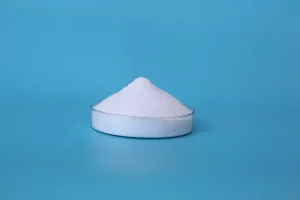
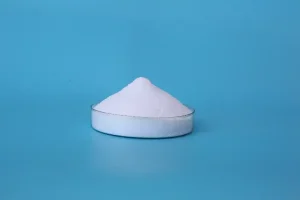
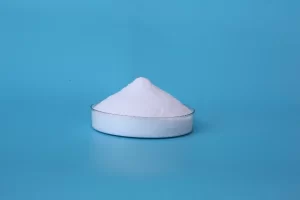
Non-ionic PAM carries amide functional groups that remain nonionic across a wide pH window. Because the chain does not rely on charge repulsion to remain extended, acidic conditions do not produce the same collapse observed in hydrolyzed polyacrylamide. The result is flocculation that stays steady when pH moves between 3 and 6, although total suspended solids and particle surface chemistry still set the practical dosage. Our non-ionic series emphasizes high molecular weight, high purity, and a flocculant function that is less affected by pH and salts. In our technical work, the distinctions that matter most are dissolution quality and molecular weight distribution. A high molecular weight grade that is not fully dissolved will deliver uneven flocs even if the chemistry is correct. For acidic streams with metal hydroxide solids, non-ionic PAM often bridges particles that charged polymers cannot reach. It is not a universal replacement, but it is the grade we specify first when low pH is the controlling variable.
What Molecular Weight and Dosage Suit Acidic Streams?
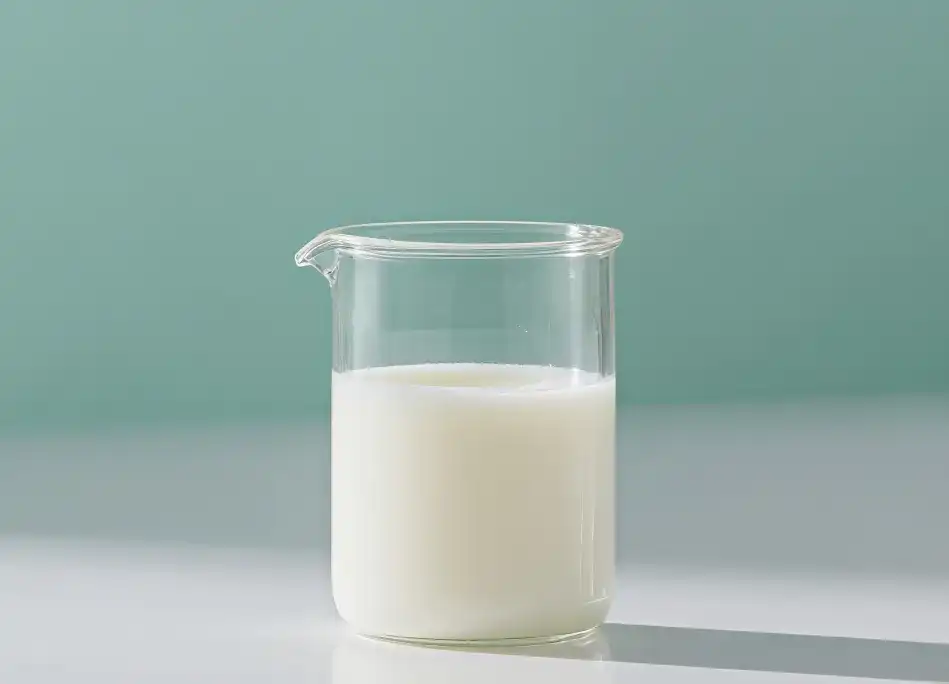
Higher molecular weight produces larger, denser flocs because a longer chain has more bridging points. That benefit has a practical limit. Very high molecular weight grades dissolve more slowly under cold water and low shear, and undissolved gels can stick to clarifier surfaces and then tear flocs back apart. We usually start non-ionic PAM makeup at 0.05% to 0.1% solution concentration, then adjust based on floc structure and settle rate. For acidic wastewater, the jar test is the governing tool. Start at a low dose, increase in small increments, and stop when the supernatant clears and the floc boundary forms without excessive fines. Overdosing restabilizes solids by coating particles with excess polymer and leaving no open bridging sites.
What jar test results indicate the right dosage?
A clear supernatant with large, fast-settling flocs and no oily sheen indicates the dose is close. If fines remain suspended, increase the dose slightly. If the floc becomes stringy or the interface settles slowly after rising, reduce the dose. Run the same jar test at the lowest and highest expected pH, because seasonal or process swings will shift polymer demand.
Why does overdosing hurt settling?
Overdosing leaves too many polymer segments attached to every particle. Each particle becomes wrapped in a polymer layer, and the open sites required for cross-linking between particles disappear. The result is a stable suspension that looks turbid but will not settle, which plants sometimes misdiagnose as underdosing and make worse.
If your acidic stream contains chelating agents or pH peaks outside the range you have quoted, it is worth confirming the polymer grade before finalizing the bill of materials. Send the pH range, total suspended solids, and current dosage to en*****@***er.com.
How Does Non-Ionic PAM Compare With HPAM and Ionic Grades?
| Operating condition | Non-ionic PAM | HPAM or anionic PAM | Cationic PAM |
|---|---|---|---|
| pH below 5 | Steady bridging, chain stays nonionic | Carboxylate groups protonate, bridging weakens | Charge efficiency drops as pH shifts |
| High sulfate or dissolved salts | Less sensitivity to salts | Chain extension and viscosity can fall | Variable, depending on charge density |
| Neutral-charge fine solids | May need a higher dose but predictable | Weak bridging at low pH | Works with negatively charged colloids but often costs more |
| Dissolved iron or aluminum | Low metal complexation | Metal ions screen charge | May form complexes or consume polymer |
HPAM remains useful in neutral to alkaline oilfield and mineral processing, but acidic wastewater removes much of the charge advantage. Cationic PAM can handle some negatively charged acid streams, yet its performance shifts with pH and suspended solids. Non-ionic PAM is not chosen because it flocculates the fastest in every test; it is chosen because it fails less predictably across the pH changes that define acidic wastewater.
What Procurement Checks Apply to Non-Ionic PAM Orders?
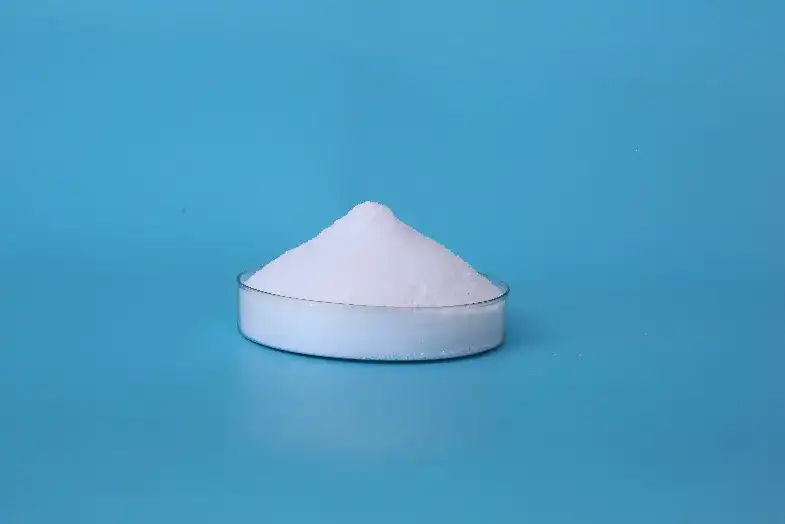
Acidic wastewater programs usually fail in the same places: a grade that passes one jar test, a changing pH profile, and a dissolution procedure that was never verified at the plant. That pattern is why we ask for more than a polymer name when customers contact Shandong Nuoer. Our non-ionic polyacrylamide series is produced within a site that also manufactures acrylamide and acrylic acid, so the monomer chain and finished specification stay under one quality system. Send the pH range, total suspended solids, flow rate, and current polymer dosage to en*****@***er.com, or call +86-532-66712876. We will confirm the right grade and the makeup procedure before you commit to an order.
What Do Buyers Ask About Non-Ionic PAM in Acidic Wastewater?
What pH range can non-ionic PAM handle?
Non-ionic PAM is usable from roughly pH 3 to 11, though its practical advantage appears below pH 5 where hydrolyzed anionic PAM loses charge. The polymer itself does not rely on carboxylate ionization, so pH swings inside that band change floc formation less than they do for ionic grades. The exact window still depends on dissolved metals, temperature, and mixing energy. If your stream drops below pH 3 or carries strong oxidizers, confirm the grade before running a full-scale trial.
Does non-ionic PAM settle solids as quickly as cationic PAM in acidic streams?
A common assumption is that a charged polymer always settles solids faster. In acidic water, the opposite often holds because the charge that favors cationic PAM in neutral sludge becomes less predictable as pH shifts and dissolved salts rise. Non-ionic PAM may require a slightly higher dose, but it delivers steadier bridging across changing conditions. The fair comparison is not a single jar test at steady pH; it is performance across the pH range the plant actually sees. Run both polymers over that range before deciding.
Should I choose powder or emulsion non-ionic PAM for acidic wastewater?
Powder non-ionic PAM stores well and offers high molecular weight, but it demands careful wetting and aging. Emulsion forms dissolve faster and suit plants with limited mixing capacity, remote skids, or temporary acid treatment units. If you have a properly designed automated dosing system, powder generally costs less per active kilogram. If operators are mixing by hand or the unit moves between sites, emulsion reduces the risk of fish eyes and incomplete dissolution. Confirm the dissolving equipment before committing to either form.
Why does non-ionic PAM sometimes need a higher dose than anionic PAM at neutral pH?
In programs we have observed, the dosage gap between non-ionic and anionic PAM closes as pH drops below 5. Non-ionic PAM works through bridging rather than charge neutralization, so a neutral-pH comparison can make it look less efficient. Once anionic PAM loses ionization in acidic water, its dosage must rise and its flocs become fragile, while non-ionic PAM stays near its original window. The difference is most visible in jar tests run across the full expected pH range. Share your water analysis and current dosage with en*****@***er.com, and we will confirm the correct grade before you order.
If you’re interested, check out these related articles:
Acrylamide Crystal: Optimizing Polymerization for Industrial Success
How Non-Ionic Polyacrylamide Works: pH Stability & Flocculation
Best Amphoteric PAM for Oil Refinery Wastewater Treatment
Nuoer Group donates sanitary pads to Rongzhuang Village.
Acrylic Acid Quality Requirements for SAP: Purity and Performance


 English
 Russian
 Arabic
 Spanish