
Selecting high purity acrylamide crystal manufacturers usually fails when buyers treat a 98% purity certificate as the finish line and compare price after that. The declared purity does not predict how the material behaves in a polymerization reactor. Trace iron, conductivity, moisture, and inhibitor loading set batch consistency and final polymer molecular weight more than the last half point of purity often does. In the production planning I oversee, I have watched target molecular weight slip by more than 10% when an incoming acrylamide crystal batch sat near the upper conductivity and iron limits, because trace metal ions shortened radical chain growth. The functional specification matters before the commercial comparison.
What Does High Purity Mean in Acrylamide Crystal?
High purity is not a single number. For acrylamide crystal, a published purity above 98% is the starting point, but the material only qualifies as high purity when the residual fraction is identified and controlled. Buyers should read the specification as a control band rather than a minimum pass mark. A batch that meets 98% purity can still behave differently from another batch if its moisture, iron, conductivity, inhibitor content, or pH shifts within the accepted range.
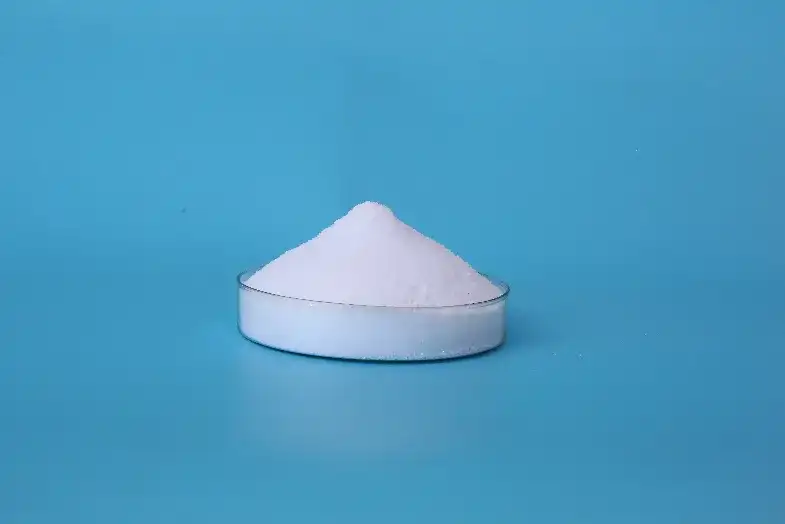
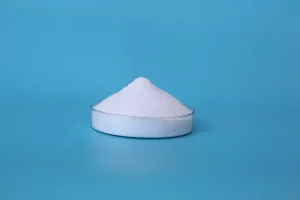
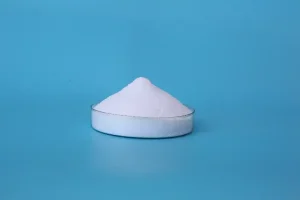
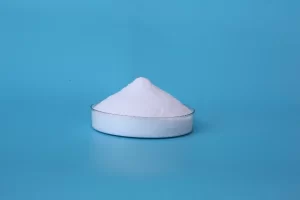
The table below shows a typical high purity acrylamide crystal specification and what each value means in plant terms.
| Parameter | Typical value | Why it matters for polymerization |
|---|---|---|
| Purity | 98.0% minimum | Confirms the active monomer level available for polymer chain formation |
| Moisture | 0.8% maximum | Limits weight error, storage degradation, and water entering the reaction mass |
| pH | 6.5 to 7.5 | Prevents acidic or basic conditions from disturbing initiation and chain growth |
| Inhibitor | 3 to 10 ppm | Controls premature polymerization while low enough to avoid charge suppression |
| Conductivity | 20 μS/cm maximum | Indicates residual salts that can interfere with radical reactions |
| Iron | 1 ppm maximum | Reduces trace metal interference with free radical propagation |
A buyer should ask for this complete profile rather than accepting a one-line purity claim.
Which Impurities Affect Polymerization More Than Buyers Expect?
Trace iron is the impurity I watch first because it interferes with free radical propagation and can reduce chain length or broaden molecular weight distribution. Conductivity is the next useful indicator because it reflects dissolved salts that do not appear in a simple purity calculation. A high conductivity reading often predicts poor reproducibility even when the nominal purity number stays inside specification.
I have held incoming material that met the purity line but carried iron near the upper limit, and the production trial produced lower intrinsic viscosity. The replacement lot, with iron below 1 ppm and conductivity below 10 μS/cm, restored the target molecular weight. That comparison matters more than a small difference in nominal purity. For polymer plants making polyacrylamide or copolymers for oil recovery, papermaking, textiles, or metallurgy, these residual impurities determine whether the same monomer mass yields the intended polymer performance.
How to Verify a High Purity Acrylamide Crystal Manufacturer’s Quality Claims
Documentation should show stability across lots, not a single favorable result. I look for a certificate of analysis supported by several batch records covering purity, moisture, pH, inhibitor, conductivity, and iron. If a supplier only supplies a product data sheet with no test data, that is not a quality claim; it is a description.
Production route also matters. Acrylamide crystal produced through microbial technology tends to carry a lower impurity load and more consistent polymerization behavior because the biological conversion process avoids some salt streams present in older chemical hydration routes. Packaging matters in the same review. The crystal must be protected from moisture pickup, heat, and light, with sealing that holds from warehouse receipt through repeated opening. A high purity specification means nothing if the material absorbs moisture before it reaches the reactor.
If your process requires conductivity below 5 μS/cm or iron below 1 ppm, confirm the exact grade and request the last five batch records before finalizing the BOM. Send your target conductivity, iron, inhibitor limits, and monthly volume to en*****@***er.com.
When Does High Purity Acrylamide Crystal Outperform Aqueous Solution?
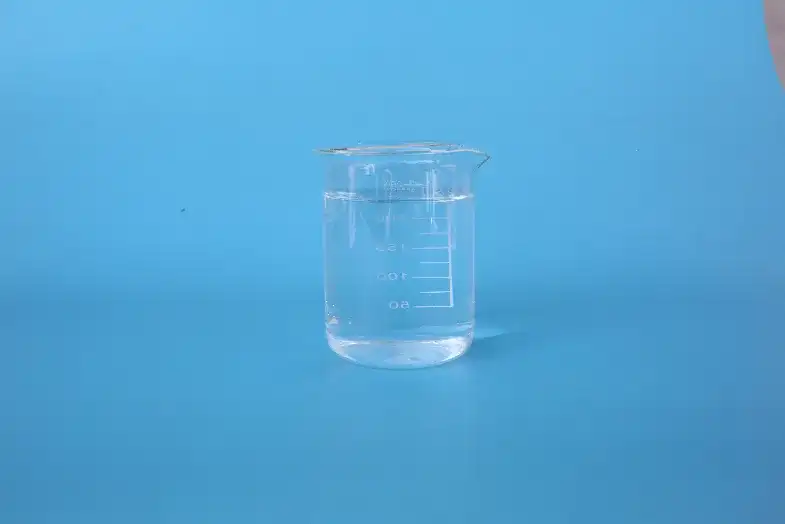
Acrylamide crystal is usually the better choice for large scale polymer production where freight weight, storage life, and batch flexibility control the decision. The crystal form ships without the water load of a 25% to 50% solution, stores for 1 to 2 years in cool, dark conditions, and lets the plant prepare the exact solution concentration its polymerization system requires. Aqueous solution removes a dissolving step, but it adds liquid handling, temperature sensitivity, and a larger logistical footprint.
For a plant with strong incoming quality checks, crystal acrylamide gives more control. At Shandong Nuoer, the 300,000 ton annual acrylamide capacity supports continuous monomer supply while the published crystal specification gives the receiving team measurable parameters to inspect before release. The choice is not about which form is universally better. It is about which form matches the plant’s storage, handling, and polymerization control.
How to Source High Purity Acrylamide Crystal Without Production Risk
Sourcing problems usually appear after the first approved sample. Lot three drifts, the documentation stops matching the physical material, or lead time stretches when a supplier repacks material from shifting sources. A manufacturer with integrated acrylamide capacity can control the monomer stream more directly than a reseller handling multiple origins.
At Shandong Nuoer, the AM Crystal specification is published against batch level parameters, and the production capacity and global after-sales system are structured for continuous polymer plant supply rather than one-off trading. Send your purity grade, monthly volume, target conductivity and iron limits, and required documentation to en*****@***er.com, or call +86-532-66712876. We will confirm batch level data and sample availability against your process specification.
What Questions Should Buyers Ask Before Ordering High Purity Acrylamide Crystal?
What purity grade works for polyacrylamide production?
A purity of 98% or higher works for most polyacrylamide and copolymer production when the remaining impurities are controlled. The objective is not to chase the highest available number; it is to verify that iron, conductivity, moisture, and inhibitor stay within the buyer’s process limits. When a plant sees viscosity drift without a formula change, the cause is usually trace metal interference rather than a shortage of nominal monomer purity.
Is higher nominal purity always better for polymerization?
Not always. Buyers sometimes assume the highest available purity will produce the strongest or most consistent polymer. The stronger predictor is which impurities remain in the low percentage below the purity line. A 98.5% material with controlled iron and conductivity can outperform a 99% supply with higher residual salts or wide inhibitor variation, because trace metal ions interrupt radical chain growth more than a minor difference in monomer content.
How long can high purity acrylamide crystal be stored?
It depends on storage conditions and packaging. Properly packaged crystal kept cool, dark, and dry typically remains stable for 1 to 2 years. Moisture pickup is the main storage risk because it changes weighing accuracy and can accelerate degradation. In a warm or humid warehouse, plan smaller order cycles or confirm that the packaging barrier and closure still protect the material after repeated opening.
How can buyers confirm batch consistency before large orders?
In polymer plants we support, the fastest check is lot-to-lot data rather than one favorable certificate. I look at the last five batch records for iron, conductivity, moisture, and inhibitor range, then compare those values with a pilot polymerization trial. That predicts plant performance better than a single specification sheet. If your program has tight conductivity or iron limits, send your target values and monthly volume and we will confirm which batch data can be supplied.
If you’re interested, check out these related articles:
Acrylamide Monomer: Tailoring Polymers Through Diverse Methods
Amphoteric Polyacrylamide: Optimal Solution for Mixed Effluent Treatment
Acrylamide Aqueous Solution Stability Testing: A Deep Dive
Acrylamide Monomer Cost vs Purity: Strategic Trade-offs
Optimal SAP Grades for Ultra-Thin Baby Diapers: Performance Deep Dive


 English
 Russian
 Arabic
 Spanish