
Acrylamide monomer suppliers earn trust through process discipline, not promises. A polymer plant loses far more to a monomer batch with elevated iron, conductivity, or residual acrylonitrile than it saves on a lower quote. I have seen polymerization runs slow and final polyacrylamide viscosity fall when incoming monomer drifted within specification but outside normal variability. The evaluation below covers the quality points that matter for stable production: specification alignment, manufacturing control, monomer form selection, approval testing, and supply planning. The supplier’s own production data and handling record tell you more than a certificate of analysis alone.
Acrylamide monomer quality assessment starts with specification alignment
Before comparing quotations, align your plant’s incoming material specification with the supplier’s declared range. Two acrylamide monomer sources can both list 98 percent purity while performing differently in polymerization, because the spread in moisture, inhibitor, and ionic contamination is what changes initiation behavior. A workable assessment therefore starts with the full parameter list rather than the headline purity value. The table below reflects current Shandong Nuoer specifications for crystal and aqueous solution.
| Parameter | AM Crystal | AM Aqueous Solution | Why it matters |
|---|---|---|---|
| Purity or polymerizable content | 98.0% minimum | 28 to 50% as specified | Determines monomer available for reaction |
| Moisture | 0.8% maximum | Not applicable | Free water shifts concentration and storage stability |
| pH | 6.5 to 7.5 | 7.0 to 9.0 | pH drift can affect initiator performance |
| Conductivity | 20 µS/cm maximum | 5 to 30 µS/cm grade dependent | Ionic species interfere with polymerization kinetics |
| Inhibitor and residuals | 3 to 10 ppm inhibitor | 0 to 100 ppm inhibitor; acrylonitrile 0.1% maximum; acrylic acid 0.3% maximum | Controls stability versus reaction delay |
A narrow range on a certificate is less informative than the supplier’s ability to hold that range across production campaigns. One clean batch does not protect a continuous plant. Ask for the specification the supplier will commit to contractually, including the methods used for moisture, conductivity, and residual acrylonitrile testing.
Why iron and conductivity matter more than a purity line
Iron influences radical initiation directly, even at levels below one part per million. Conductivity reflects dissolved ionic species that can shift the reactivity of the monomer. A purity line above 98 percent can look identical across two suppliers while these trace parameters differ enough to change reaction speed and final polymer molecular weight. When you compare specifications, hold iron and conductivity to the tightest stable range your supplier can hold, and treat moisture as a storage and concentration check.
Acrylamide monomer suppliers signal reliability through manufacturing controls
A supplier’s quality position is built before the certificate is printed. The manufacturing method, the age and condition of purification systems, and the traceability of raw material inputs determine whether results repeat across lots. When I evaluate an acrylamide monomer source, I ask for trend data over at least three production campaigns rather than a single test report.
Shandong Nuoer operates acrylamide production at an annual capacity of 300,000 tons and produces the monomer through microbial technology, which lowers the impurity burden that later shows up as iron and conductivity. That scale matters for assessment because a supplier running large campaigns has more at stake in controlling batch identity, and it also has the volume history to show whether deviations are rare or recurring. A repackager without its own synthesis line cannot explain the origin of a conductivity excursion; a manufacturer can trace it through feedstock, catalyst, equipment, and storage.
What batch records reveal about a supplier
Ask for batch logs from the last 12 months, inhibitor concentration as delivered, and storage stability data under temperature conditions relevant to your region. A manufacturer willing to share trend data is comfortable with process control, while a refusal usually indicates selective disclosure. Trend lines that drift upward in conductivity or moisture are more informative than a single passing certificate.
Acrylamide monomer form selection depends on reactor configuration and logistics
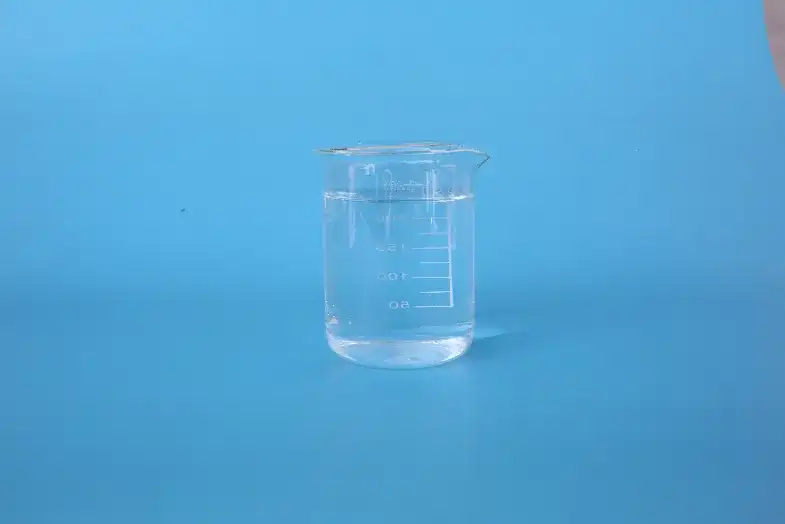
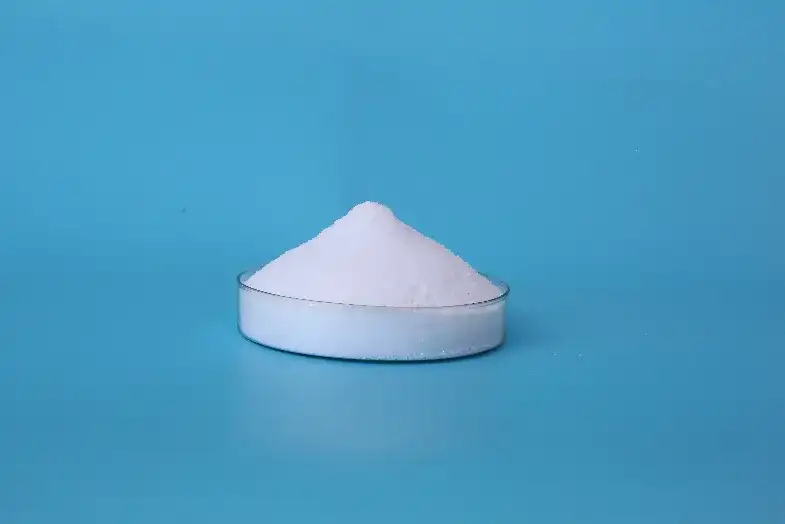
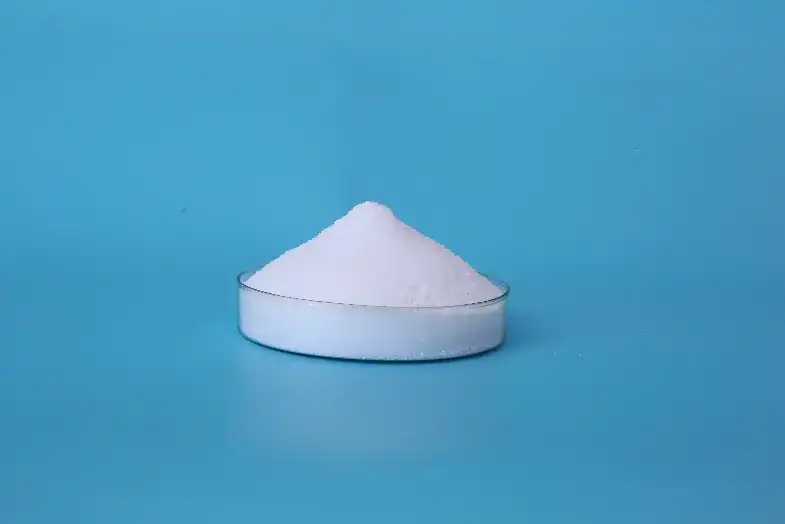
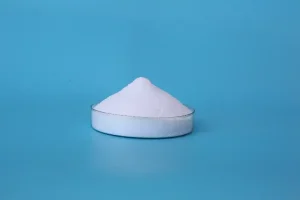
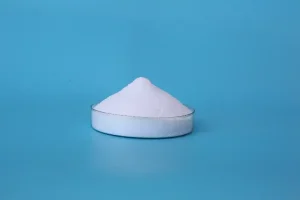
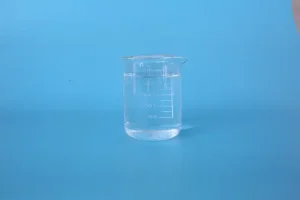
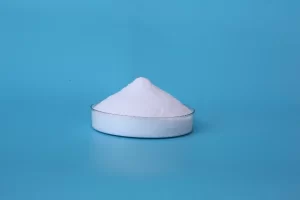
Acrylamide monomer reaches buyers as crystal or aqueous solution, and the right choice is a function of reactor configuration, logistics, and consumption pattern. Crystal is a high purity white solid in flake form with a long shelf life when kept cool and dark, typically one to two years. It suits batch polymerization and plants with controlled dissolving systems. Aqueous solution, typically supplied at 28 to 50 percent concentration, removes most dissolving time and integrates with continuous production lines, but it requires storage away from heat and UV and is less forgiving as inventory ages.
If your process uses aqueous solution at a specific concentration, it is worth confirming whether your feed system can handle viscosity changes at lower temperatures before finalizing the bill of materials. Send your target concentration and monthly volume to en*****@***er.com and we can compare it against current production ranges.
Crystal also gives buyers more direct control over dissolving conditions. You can adjust water quality, temperature, and agitation to fit the reactor. Solution passes some of that control to the supplier, which is acceptable when the supplier has stable concentration control but risky when transport conditions introduce temperature swings. A decision based only on unit price misses these operational differences.
Approval testing catches acrylamide monomer quality risks
Approval testing should move from paper review to a controlled polymerization trial. A certificate of analysis says nothing about how the monomer behaves with your initiator system, your water quality, or your target molecular weight. The most useful test is a small scale reaction run under plant conditions, followed by molecular weight and residual monomer measurement.
- Review the supplier’s specification and batch trend data for the grade you will actually receive.
- Run a lab scale polymerization with your normal initiator and temperature profile.
- Compare reaction time, peak temperature, and final viscosity against your reference monomer.
- Test residual acrylamide and dissolved clarity after the polymerization.
- Repeat the trial with a second batch to confirm that the supplier is consistent rather than lucky.
In my experience, a monomer batch that looks acceptable on basic parameters can still produce a slower reaction or a lower final polyacrylamide molecular weight when the impurity profile shifts. The trial is where that risk becomes measurable before it affects commercial production. If the supplier resists a small scale evaluation, that hesitation belongs in the commercial decision.
A finalized acrylamide monomer supply plan protects production stability
Quality assessment does not stop at technical data. The supplier’s ability to hold a consistent grade for your annual program depends on production planning, inventory discipline, and logistics. A manufacturer with large scale capacity can reserve a stable output window for your orders, while a trader assembling spot cargoes may deliver different production origins from one shipment to the next. Confirm the committed specification range, the lead time for repeat orders, the shelf life remaining at arrival, and the technical response available when a batch does not behave as expected.
A monomer specification that looks clean on paper can still fail in your reactor if the supplier’s inhibitor range or storage history does not match your process. Before you finalize supplier approval, send your target grade, concentration, monthly volume, and polymerization method to the supplier’s technical team for a fit assessment. For acrylamide monomer supply from Shandong Nuoer, send your part number and quantity to en*****@***er.com or call +86-532-66712876. We can confirm the production range against your reactor requirements before you commit.
Buyers Ask These Questions About Acrylamide Monomer Supplier Quality
What is the most important acrylamide monomer quality parameter?
For most polyacrylamide producers, conductivity and iron are the first parameters to check because they change polymerization kinetics even when purity looks acceptable. A batch with conductivity above 20 µS/cm can introduce ionic species that shift initiator consumption, while iron above 1 ppm can slow molecular weight build. Acrylonitrile residue matters more in aqueous solution grades for continuous systems. Confirm these values from the supplier before comparing purity lines.
Does higher purity always mean better acrylamide monomer performance?
That assumption misses the role of inhibitor concentration and impurity distribution. Above 98 percent crystal purity, the spread in iron, conductivity, and moisture often has more practical impact than the final purity digit. A supplier selling 99 percent material with a wide inhibitor range can produce less predictable reaction behavior than a supplier shipping 98.5 percent with tight process limits. Purity can also hide weak storage stability if moisture control is inconsistent. Judge purity alongside range control and batch consistency, not as a single ranking number.
Should buyers choose acrylamide crystal or aqueous solution?
It depends on your production setup and logistics. Crystal suits batch polymerization and sites with controlled dissolution equipment; it stores for one to two years when kept cool and dark, so it works for programs with variable demand. Aqueous solution at 28 to 50 percent concentration reduces dissolving time and fits continuous production lines, but it needs protection from heat and UV and has a shorter practical storage window. If your plant has reliable liquid feed and steady consumption, solution often lowers handling cost. If your output is intermittent, crystal is easier to hold in inventory.
How can a buyer verify supplier quality claims without visiting the plant?
In supplier evaluations I have run for polymer projects, the fastest filter is to ask for batch to batch trend data rather than a single certificate. A supplier that tracks impurity levels, moisture, and inhibitor concentration over 12 months can show whether its process is stable or merely producing occasional good results. Insist on storage and transport records for aqueous solution because temperature excursions affect quality. A small scale polymerization trial using your initiator and temperature profile remains the most direct evidence. If your process has a narrow conductivity window, send your target parameters and monthly volume to en*****@***er.com and we can confirm whether the current production range fits.
If you’re interested, check out these related articles:
Amphoteric Polyacrylamide: Optimal Solution for Mixed Effluent Treatment
Best Amphoteric PAM for Oil Refinery Wastewater Treatment
Nuoer Impressively Showcased at the 32nd China International Paper Technology Exhibition 2025
FDA Approved Super Absorbent Polymer Manufacturers: A Global Guide


 English
 Russian
 Arabic
 Spanish