
Selecting among acrylamide solution suppliers for manufacturing determines whether a polymerization line holds steady conversion and molecular weight, or drifts into rework. Manufacturers focus first on concentration and price, but the harder variables are impurity control, production continuity, and how the supplier manages storage and transport. We operate a 300,000-ton annual acrylamide production capacity and supply aqueous solution in controlled concentration grades. Our approach treats the monomer as part of the customer’s polymerization process rather than as a commodity transaction.
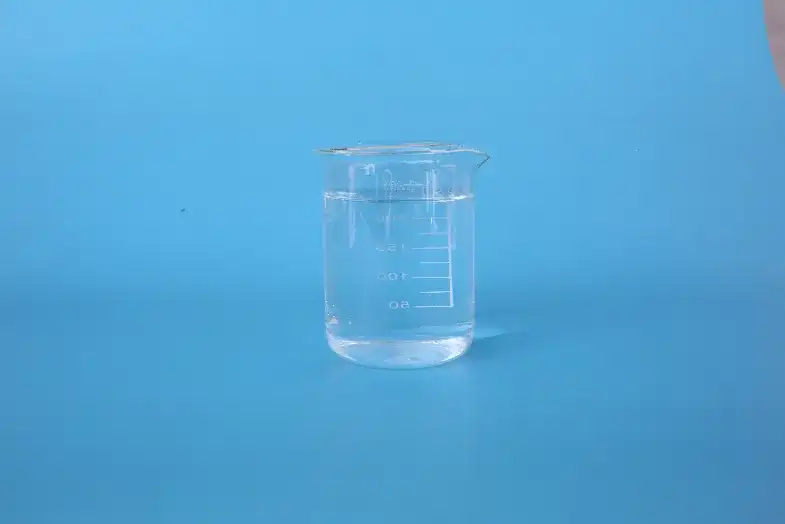
Checking Acrylamide Solution Purity and Concentration Before Ordering
Aqueous acrylamide is not a single grade. Our production supplies typical concentrations of 28 to 30 percent, 38 to 42 percent, and 48 to 52 percent, customizable to the polymerization step. Concentration choice is a process decision, not a purchasing shortcut. A plant running fed-batch polymerization may need a lower concentration to manage heat removal, while a continuous line may prefer 48 to 52 percent to reduce water freight and storage volume.
The specification items that affect downstream performance are acrylonitrile at or below 0.1 percent, acrylic acid at or below 0.3 percent, pH from 7.0 to 9.0, conductivity from 5 to 30 μS/cm depending on grade, and color at or below 20. These are not cosmetic limits. A conductivity drift can shift initiator behavior, and pH movement can alter the hydrolysis pattern in copolymer production. We use advanced microbial technology because it yields lower impurity levels than conventional routes, and in large-scale polymer synthesis those trace impurities repeat across every batch.
| Parameter | 28 to 30 percent grade | 38 to 42 percent grade | 48 to 52 percent grade |
|---|---|---|---|
| Acrylonitrile | ≤0.1% | ≤0.1% | ≤0.1% |
| Acrylic acid | ≤0.3% | ≤0.3% | ≤0.3% |
| pH | 7.0 to 9.0 | 7.0 to 9.0 | 7.0 to 9.0 |
| Conductivity | 5 to 30 μS/cm | 5 to 30 μS/cm | 5 to 30 μS/cm |
| Inhibitor | 0 to 100 ppm | 0 to 100 ppm | 0 to 100 ppm |
Reading this table as a procurement match is not enough. The supplier must demonstrate the same values across repeat lots. We archive batch records and test reports so a customer can trace the result against the delivery. Trace acrylonitrile matters because it can act as a chain transfer agent in some copolymerizations, shifting molecular weight distribution. We notice this difference most clearly when a customer runs the same formulation on two batches and sees a change in final polymer viscosity with no change in operating conditions. One shipment meeting specification does not solve a process problem if the next shipment moves conductivity or inhibitor to the far edge of the accepted range.
Auditing Acrylamide Solution Suppliers as Production Partners
A supplier’s production base is part of your risk position. If the supplier does not control its own acrylamide monomer, it depends on third-party sourcing, and that introduces variation at the point where you need stability. Shandong Nuoer Biological Technology operates 300,000 tons of annual acrylamide capacity alongside downstream polyacrylamide and superabsorbent polymer production. That structure creates internal demand for the monomer, so the quality system must satisfy both our own polymer lines and outside customers. The integration matters because monomer feedstock, quality control, and delivery planning sit under one management system.
Why Production Capacity Changes Your Supply Risk
Small producers can quote aggressively on a single spot order, but the question for a manufacturing program is repeat supply. Large capacity alone is not sufficient; the capacity must be matched to your call-off pattern. We review monthly draw, tank storage at the customer site, and replenishment lead time before confirming a supply plan. That conversation often identifies a specification mismatch before the first shipment rather than after.
If your program involves long ocean freight or a narrow process window, confirm inhibitor level and conductivity tolerance before finalizing your BOM. Reach out at en*****@***er.com.
What Quality Data We Review With Customers
During qualification we walk through the certificate of analysis line by line: acrylamide content, pH, conductivity, inhibitor range, acrylonitrile, acrylic acid, and color. We also confirm the sampling method and the test standard behind each value. A buyer should ask for a recent batch report, not a brochure figure. At our production site, material is released to the sales team only after the quality data has been verified against the agreed specification. That sequence is more valuable than a general claim of high purity.
Comparing Concentration Grades and Logistics Costs
The concentration grade changes more than the invoice. A 50 percent solution carries less water than a 30 percent grade for the same active monomer, which reduces freight and tank storage. That advantage disappears if the receiving plant cannot hold a higher-concentration product within its temperature and inhibitor envelope. Most buyers compare price per ton of solution, but the active monomer is what polymerizes. A higher concentration grade costs more per ton of liquid and usually less per ton of active acrylamide after freight. We prefer to quote on a delivered active-content basis once the shipment distance and tank handling are known.
When a Concentrated Grade Reduces Handling Volume
For a plant with cold climate storage, 48 to 52 percent concentration can lower shipment frequency and avoid unnecessary water transport. For a smaller batch operation, a 28 to 30 percent grade may be easier to dose and dilute with existing equipment. The supplier should not push the highest concentration as a default. We calculate the delivered cost per ton of active acrylamide, including freight, tank handling, and loss, then compare it with the process heat removal limit. The result is usually specific to the customer’s reactor setup.
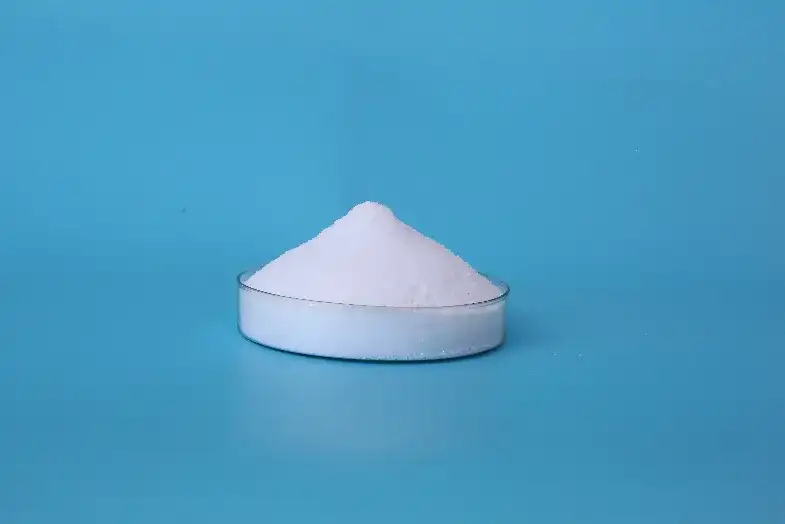
How Storage Temperature and Inhibitor Range Affect Shelf Life
Acrylamide solution is stored away from heat and UV light, but real conditions vary between a temperature-controlled tank farm and a tropical site. Inhibitor concentration from 0 to 100 ppm is adjusted to the expected storage time and transport route. Too little inhibitor can trigger premature polymerization before the monomer reaches the reactor; too much can slow initiation speed at the customer’s line. We ask for the routing and storage plan before assigning a grade. A customer that changes from domestic supply to a transoceanic route may need a higher inhibitor level even if nothing in the production formula changes.
Confirming Acrylamide Solution Supply Parameters
Procurement teams often wait until specifications are final before contacting a supplier, but that sequence creates two problems. The buyer may specify a grade that is difficult to ship or store, and the supplier may have no time to reserve the production window. Our planning team prefers early-stage discussion around monthly volume, concentration, inhibitor range, and delivery location. From there, we match the inquiry to the appropriate concentration grade and batch schedule. Send your target concentration, monthly demand, and delivery site to en*****@***er.com or call +86-532-66712876, and we will confirm the matching supply parameters.
Answering Common Questions About Acrylamide Solution Supply
What concentration should we select for a new polymerization line?
The useful default is 38 to 42 percent, but the final choice depends on feed rate, reactor cooling, and delivery distance. A continuous plant with strong heat removal can run 48 to 52 percent and reduce water freight. A small batch reactor that dilutes manually may work more comfortably at 28 to 30 percent. We usually ask the customer to run a short compatibility check with the existing dosing system before locking the grade, because the concentration decision affects pump sizing and heat control, not just delivered cost.
Is higher conductivity always a reason to reject a batch?
No, and this is a common point of confusion. Conductivity should be read with pH and inhibitor level because conductivity can rise with a higher inhibitor content while the monomer quality remains fully acceptable. A specification review should ask what the conductivity value represents, not simply reject a reading near the upper limit. We compare the batch data against the grade’s intended window and the customer’s reaction conditions. If the conductivity trend is stable across lots, the reading is usually a control parameter rather than a defect.
Can we switch between solution and dry monomer on the same production line?
It depends on your polymerization method and drying capacity. Solution monomer fits aqueous polymerization well because it removes the dissolving step and reduces dust exposure. Dry monomer becomes easier when storage space is tight, shipping weight is a larger concern, or the plant already runs a controlled dissolution system. Switching is possible, but the line must be reviewed for feed control and dissolution time. We rarely recommend changing forms without a small trial batch first, because the heat profile and initiator response are not identical.
How should we set inhibitor level for long-distance shipping?
In programs we have supported, inhibitor range is set after the transport route is known. A domestic delivery that stays cool may work with a lower inhibitor, while a container moving through warm sea freight usually needs a higher level to avoid premature polymerization. We ask for destination port, transit time, and planned storage before assigning the parameter. The goal is a stable monomer that still initiates cleanly on arrival. If your route involves long transit or high ambient temperature, send the destination port and storage plan to en*****@***er.com and we will confirm the appropriate inhibitor level.
If you’re interested, check out these related articles:
AI Empowerment: Bridging Strategy and Implementation at Nuoer
Reliable Emulsion Polyacrylamide Manufacturer for Industrial Solutions


 English
 Russian
 Arabic
 Spanish