
Acrylamide crystal vs aqueous solution is not a purity contest. It is an operational choice between solid logistics, longer shelf life, and controlled make-up on one side, and faster dissolution, lower manual handling, and continuous dosing on the other. After fifteen years in polyacrylamide and acrylic chemical manufacturing, I would start most large-scale polymerization lines with crystal monomer and switch to aqueous solution only when the plant’s continuous feed system and tight inventory turnover justify it. The decision sits in three places: your reactor feed method, your storage window, and your impurity tolerance.
How Does Acrylamide Crystal Perform in Large-Scale Polymerization?
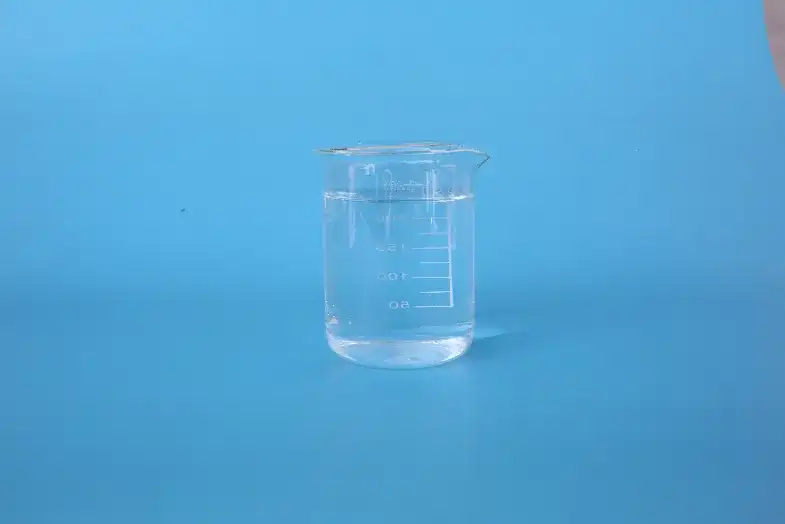
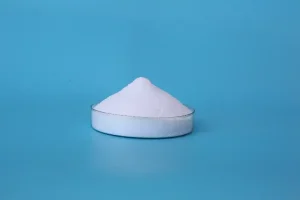
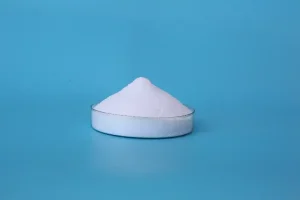
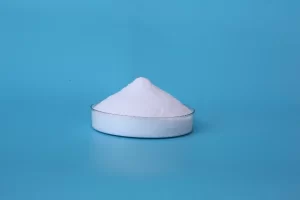
Acrylamide crystal remains the baseline for batch reactors because it gives the clearest monomer mass balance. The product we specify carries at least 98.0% purity, moisture below 0.8%, pH 6.5 to 7.5 at 10 g/L, and inhibitor at 3 to 10 parts per million. When moisture stays below 0.8%, initiator dosing remains more predictable, and that matters more than many buyers expect. A wet lot can shift both concentration and heat release at the start of polymerization.
For operations making polyacrylamide, the dry flake also simplifies recipe adjustment. You weigh the monomer, prepare the targeted concentration, and keep the water balance separate from supplier packaging. In a batch plant, that separation shortens troubleshooting when a reaction runs outside target viscosity. If the dry charge is correct and the reactor temperature trace is normal, the remaining variable is usually initiator chemistry. With a pre-diluted monomer, the water content from the supplier becomes an extra variable in that diagnosis.
Storage is the other advantage. When kept cool, dark, and sealed, acrylamide crystal can hold for one to two years. That means a purchasing team can cover forecast demand without forcing a shipment into immediate use. Solid material also avoids the freeze risk that follows water-based monomer in cold transit, but it does add a dissolving station and dust control step in the plant.
Where Does Acrylamide Aqueous Solution Fit in Continuous Production?
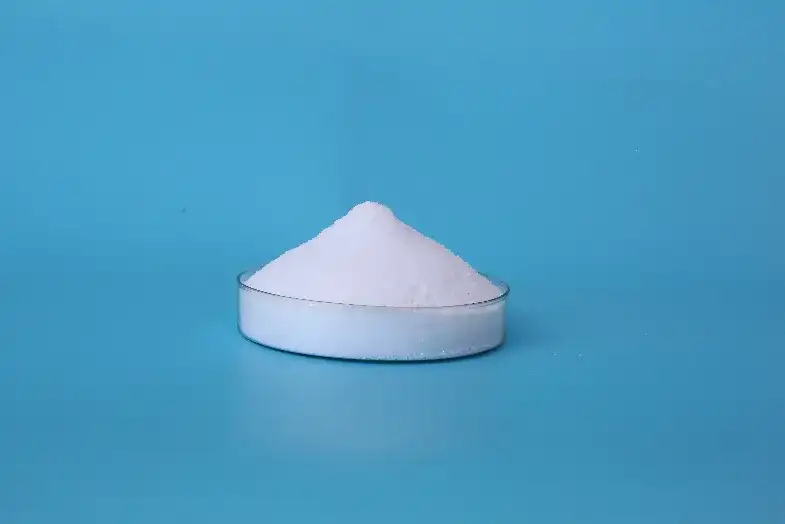
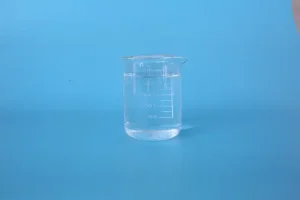
Acrylamide aqueous solution changes the operating model. Instead of weighing solid flake and maintaining a make-up system, the plant receives monomer at a fixed concentration, typically 28% to 30%, 38% to 42%, or 48% to 52%, and pumps it into a continuous line. That reduces dust exposure and removes the manual work of dissolving crystal. For a high-throughput polyacrylamide reactor, this is not a convenience feature. It is often the reason a plant can run near-continuous feed without a dedicated dissolving crew.
The trade-off is water and storage. A 40% solution carries 60% water by mass, so freight and tank capacity both rise. The solution also sits closer to the conditions that can trigger unintended polymerization if the inhibitor is too low or the tank gets hot. We handle that by keeping inhibitor options aligned to the customer’s storage time and by recommending the concentration that matches the plant’s feed method. pH runs 7.0 to 9.0 and conductivity is grade-dependent from 5 to 30 microsiemens per centimeter, so pump metallurgy and corrosion control still matter.
In our production planning, aqueous solution earns its place when the reactor is already continuous, the monthly draw is steady, and turnaround does not leave monomer sitting in storage. Batch plants with irregular production schedules usually do better with crystal.
What Do the Specifications Reveal About Purity, Inhibitor, and Storage?
Reading the two specification sheets side by side shows where the real decision lies. Crystal is judged on monomer purity and dry impurities. Aqueous solution is judged on concentration, pH, conductivity, and the balance of acrylonitrile and acrylic acid.
| Parameter | AM Crystal | AM Aqueous Solution |
|---|---|---|
| Active acrylamide | 98.0% minimum | 25% to 50%, common 28% to 30%, 38% to 42%, or 48% to 52% |
| pH | 6.5 to 7.5 at 10 g/L | 7.0 to 9.0 |
| Conductivity | 20 microsiemens per centimeter maximum | 5 to 30 microsiemens per centimeter, grade dependent |
| Inhibitor | 3 to 10 parts per million | 0 to 100 parts per million |
| Minor impurities | Moisture 0.8% maximum, iron 1 part per million maximum | Acrylonitrile 0.1% maximum, acrylic acid 0.3% maximum |
The conductivity gap is easy to misread. Crystal carries low conductivity, which supports cleaner polymerization in sensitive applications. Aqueous solution spans a wider range because concentration grade and inhibitor selection move the number. If your recipe is sensitive to ionic contamination, do not treat a 48% to 52% solution as automatically equivalent to dry monomer. Ask for the grade-specific certificate first.
The inhibitor range creates another practical difference. Crystal at 3 to 10 parts per million is normally stable enough for long storage without large initiator compensation. A solution at 100 parts per million inhibitor may need a higher initiator charge to reach the same reaction rate. That is not a defect, but it belongs in the recipe calculation before the first batch.
Product specifications for both forms are documented separately as AM Crystal and AM Aqueous Solution for packaging, inhibitor options, and grade availability.
If your plant runs both batch and continuous reactors, the decision is rarely about which monomer is purer. It is about which form interacts with your initiator curve and storage schedule with the least rework. Send your reactor feed method and target molecular weight to en*****@***er.com, and we can identify the form that fits before the bill of materials locks.
When Should You Choose Crystal Over Acrylamide Aqueous Solution?
Choose crystal first unless continuous feed is already part of the plant. The reason is not purity. Dry monomer stores longer, freezes less in cold transit, and gives a more direct mass balance when the reactor is batch or multi-purpose. Use crystal when annual consumption is irregular, when you are running different polymer grades, or when the plant cannot commit to a dedicated solution tank with temperature control.
Choose a 38% to 42% or 48% to 52% aqueous solution when the polymerization line is continuous, consumption is predictable, and the time from receipt to reaction is short. In that setup, the solution removes solid make-up labor and reduces dust exposure. The extra water and freight cost become manageable because the plant is drawing inventory steadily.
There is also a middle case. Continuous plants with moderate consumption may prefer a 28% to 30% solution for easier pumping in colder conditions, even though it carries more water. The choice follows the plant’s freeze protection and pump curve, not a generic best practice. If you are still unsure, rank feed method first, storage time second, and impurity sensitivity third. That ranking avoids the common mistake of selecting by unit price alone.
How Should You Confirm the Right Monomer Form for Your Plant?
Form selection errors usually show up late: off-spec viscosity, high residual monomer, or a feed tank that becomes hard to manage in cold weather. Both forms can produce good polymer, but only one aligns with the constraints your plant already has. If your line is batch and inventory turns slowly, start with crystal. If your line is continuous and tankage is clean, specify the aqueous concentration your dosing pumps can handle.
Shandong Nuoer has production capacity for 300,000 tons of acrylamide annually and supplies both monomer forms to more than 60 countries. That means form selection is a daily production question here, not a theoretical preference. Send your target concentration, annual volume, and reactor feed method to en*****@***er.com. You can also call +86-532-66712876 to confirm stock, lead time, and the specification sheet for the grade that fits your process. A short technical review at the quoting stage costs less than reworking the first production batch.
What Buyers Still Ask About Acrylamide Crystal and Aqueous Solution Grades?
Is crystal always higher purity than aqueous solution?
No. Crystal sold at 98.0% minimum has a clear purity floor, but aqueous solution is not automatically lower quality. A 40% solution may be made from the same clean acrylamide and diluted with water to the ordered concentration. The difference is that solution specifications include water, pH, conductivity, and inhibitor, so you compare different parameters rather than one purity number. For polymerization control, the relevant question is whether the water, conductivity, and inhibitor profile fit your initiator and target molecular weight.
Which form stores longer without drifting?
Many buyers assume a 50% solution is naturally stable, but the limiting factors are heat, light, and inhibitor depletion rather than concentration alone. Crystal kept cool and dark can remain stable for one to two years. Aqueous solution should be stored away from heat and ultraviolet light, and the inhibitor level matters more as storage time increases. A 40% to 50% solution in a hot, unshaded tank can begin unwanted polymerization while a sealed crystal lot in a cool warehouse remains unchanged. The storage answer follows the site conditions, not just the monomer form.
Can a plant switch from crystal to aqueous solution without changing the recipe?
It depends on how the recipe is written. If the formula is based on dry acrylamide mass, you can switch by correcting for the solution concentration and water contribution. The inhibitor package must also be reviewed because a high-inhibitor solution may require more initiator. If the recipe calls for a fixed solution volume, substitution without recalculation will introduce water into the reactor and shift the polymer solids and heat profile. We usually recommend recalculating the monomer charge and running a small-scale trial before committing a full production campaign.
Does aqueous solution freeze at room temperature or in transit?
On shipments we plan for cold regions, I treat aqueous solution as a temperature-sensitive liquid. Room temperature handling is normally not a freezing concern, but long transit through winter routes can be. The safer move is to confirm the concentration and inhibitor package for the destination climate and use insulated or heated transport when needed. If your route passes through sustained cold weather, send the transit conditions to en*****@***er.com and we can recommend a concentration that reduces handling risk.
If you’re interested, check out these related articles:
Acrylamide Aqueous Solution Stability Testing: A Deep Dive
Acrylamide Aqueous Solution: Mastering Gel Production
Acrylamide Solution: Essential Storage & Handling Protocols


 English
 Russian
 Arabic
 Spanish