
A comparison of non-ionic polyacrylamide manufacturers cannot start from a price list. The polymer’s value becomes visible only after you verify synthesis control, pH and salt tolerance, production capacity, and the documentation behind each batch. I have spent more than fifteen years in polyacrylamide and acrylic chemical production, and the most avoidable failures I see are not caused by chemistry alone. They come from buyers comparing supplier claims without comparing the manufacturing and quality systems behind those claims. A reliable comparison weighs four things before commercial terms: how the polymer is made, where it performs, whether supply can hold, and how quality is documented.
Non-Ionic Polyacrylamide Manufacturer Capabilities
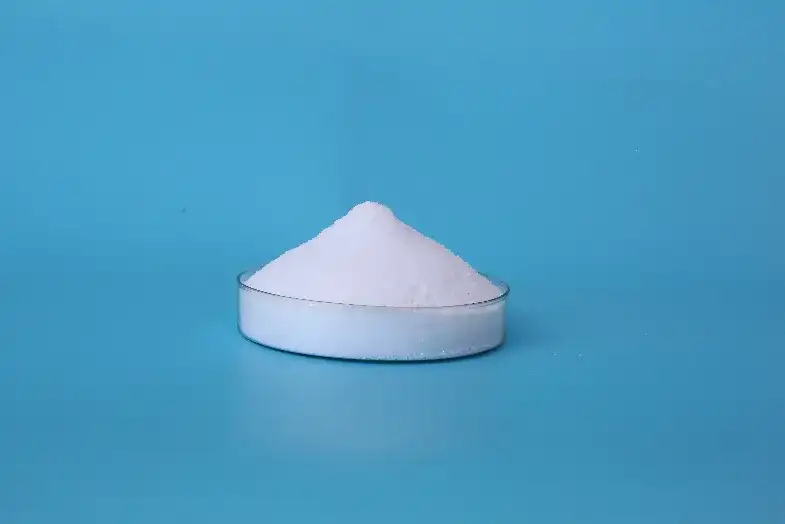
Non-ionic polyacrylamide is a homopolymer of acrylamide. The grades that perform reliably in paper retention, acidic wastewater, and textile process water combine high molecular weight with low ionization degree, high purity, and controlled dissolution. Those properties are not inspection results alone; they are synthesis results. A manufacturer that produces its own acrylamide monomer can hold residual monomer and molecular weight distribution within tighter limits than one that buys merchant monomer and blends to a specification. That gap becomes visible in the field as slower settling, higher dosage, or variation between containers.
Why Synthesis Control Shapes Flocculation Behavior
Non-ionic PAM flocculates by bridging suspended solids. Chain length and charge neutrality decide how quickly a floc forms and how stable it is. A weak synthesis process can produce the correct average molecular weight while still delivering a wide chain-length distribution. Wide distribution tends to produce less uniform floc structure. Buyers should request residual monomer, molecular weight range, and dissolution time, not one average value. In our production planning, we treat acrylamide monomer quality as the first specification check because downstream polymer behavior starts there.
What Product Data Should Not Be Missing
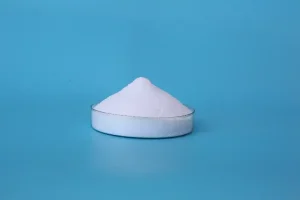
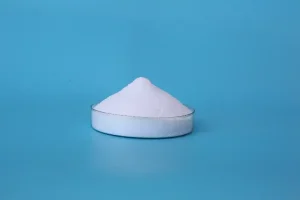
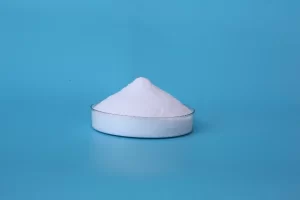
A non-ionic PAM data sheet should state molecular weight, residual monomer, degree of ionization, dissolution rate, and the test method behind each value. If the method is missing, two suppliers with the same printed number may not be comparable. We publish parameters this way because buyers in more than 60 countries use the same numbers to set dosing and to qualify incoming material. They also need to know whether the grade is powder or emulsion, because transfer and mixing systems differ.
pH and Salt Tolerance of Non-Ionic Polyacrylamide
Non-ionic PAM carries low charge density, so its flocculation mechanism depends less on electrostatic interaction and more on chain bridging. That gives it wider stability across pH and dissolved salt levels than anionic or cationic grades. In acidic mine drainage or low pH textile effluent, an anionic polymer can lose bridging strength, while a non-ionic grade keeps working because chain contact does not require ionized groups. This is why non-ionic PAM gives better flocculation under acidic conditions than hydrolyzed polyacrylamide. The buyer’s specification should therefore start with pH range and conductivity, not only suspended solids.
When Acidic Conditions Favor Non-Ionic PAM
If the process pH sits below 5 and solids are inorganic or cellulosic, non-ionic PAM often becomes the safer starting point. The polymer does not need carboxylate groups to extend or to bridge. That reduces dosage sensitivity when pH swings. If the stream also carries high sulfate or chloride levels, low ionization prevents salt-driven coil collapse that can weaken flocculation.
Reading pH and Salt Data in Practice
Ask for jar test data at your specific pH and conductivity, not for a general technical data sheet. If a manufacturer cannot produce test data under comparable conditions, request a sample. A product can look strong in neutral water and fail in acid mine drainage, so test data must match the real stream. In our reviews, we ask customers to report actual process liquid values because the grade decision follows water chemistry before it follows price.
Production Capacity and Supply Reliability Signals
Capacity matters when an order moves from a trial drum to monthly containers. A polyacrylamide producer with 500,000 tons of annual capacity can absorb large orders and hold repeat-grade inventory without stretching lead times. Shandong Nuoer also operates 300,000 tons of acrylamide and 200,000 tons of emulsion polyacrylamide capacity, which gives supply planning a wider base than a standalone compounding site. Capacity alone is not reliability. The buyer wants monomer supply, inventory policy, confirmed lead time, and a documented reorder process. A manufacturer should be able to state these for each grade before you commit to a forecast.
| Comparison area | What to request |
|---|---|
| Synthesis control | Acrylamide source, residual monomer level, and molecular weight range |
| Application fit | Jar test data at your pH, conductivity, and solids load |
| Capacity and inventory | Annual nameplate capacity, safety stock policy, and lead time by grade |
| Quality documentation | COA format, batch traceability, and test method for each listed value |
| Logistics and packaging | Packing type, container loading limits, delivery terms, and reorder handling |
| Technical review | Post-order dissolution review and application response when process conditions shift |
If your application runs year-round and the supplier cannot confirm inventory policy and lead time by grade, that gap is worth resolving before finalizing the BOM. Send your monthly volume, target pH, and packing requirement to en*****@***er.com and we can confirm stock and delivery options.
Quality Terms and Documentation to Verify
Quality is not a claim on a website; it is a set of documents you can check. A COA should report the same parameters as the data sheet and identify the batch. Without batch traceability, the buyer cannot distinguish a controlled production lot from a blended lot. We issue a COA with each shipment. Buyers should also ask whether the manufacturer will supply a sample for an incoming jar test before the first commercial order. Export qualification matters too. The manufacturer should be able to confirm packaging, labeling, and shipping documents before loading, because customs and plant receiving are part of the same supply chain.
Confirming Non-Ionic Polyacrylamide Manufacturer Fit for Your Application
Selecting a non-ionic polyacrylamide manufacturer is not about finding one good grade. It is about confirming that the manufacturer can hold that grade steady across pH swings, seasonal volumes, and repeated orders. If your current comparison has left you with suppliers that look similar on paper, narrow the list by requesting a sample tested against your actual process liquid and a capacity plan for your monthly volume. Send your target pH, solids level, monthly quantity, and packing requirements to en*****@***er.com or call +86-532-66712876 for a specification review.
Common Questions About Non-Ionic Polyacrylamide Suppliers
How do I compare non-ionic polyacrylamide manufacturers with different molecular weight claims?
Start by asking for the test method and the distribution range, not the single printed value. Molecular weight changes with measurement conditions, so a supplier claiming a higher number without stating the method is not necessarily offering a stronger polymer. Request residual monomer and dissolution time as cross-checks. A controlled polymerization process should show consistent residual monomer and a repeatable dissolution window. If those values move significantly across batches, the molecular weight claim means less in practice.
Is non-ionic PAM always the right choice for acidic wastewater?
It depends on what else is in the stream. Non-ionic PAM performs well in acidic conditions and in high salt water because it relies on chain bridging more than electrostatic charge. If the stream has high organic load or emulsified oil, an amphoteric or cationic grade may resolve clarity more efficiently. The starting point is water chemistry. Ask the supplier to run a jar test at your actual pH and conductivity before committing to a product family.
Why do capacity figures matter if I only buy a few containers?
Capacity is not just a marketing number. It signals how easily a supplier can absorb your repeat orders without borrowing production time from other customers. A 500,000 ton polyacrylamide producer can hold safety stock across grades and shorten lead time. A small toll blender may be more exposed to monomer price changes or single-site downtime. For occasional trial buys, capacity matters less; for a monthly industrial program, it directly shapes supply reliability.
What should I prepare before asking a non-ionic PAM supplier for pricing?
In buyer calls I have handled, the most useful requests include real process pH, suspended solids concentration, monthly or annual volume, required dissolution time, and packing type. Those five inputs let a manufacturer recommend a grade and quote a realistic supply plan. Without pH and solids data, the supplier can only offer a generic product and a wide price range. Share your application conditions with en*****@***er.com and we will confirm which documentation and grade fit the program.
If you’re interested, check out these related articles:
Mining Polyacrylamide: Emulsion or Powder for Optimal Separation
AI Empowerment: Bridging Strategy and Implementation at Nuoer
Non-Ionic Polyacrylamide: Stable Flocculation Across Wide pH Ranges
26th China International Petroleum & Petrochemical Equipment Exhibition Kicks Off: Nuoer Group Makes High-Profile Debut at CIPPE 2026
Acrylamide Solution: Essential Storage & Handling Protocols


 English
 Russian
 Arabic
 Spanish