
Textile plants that process cotton, polyester, or blends generate wastewater loaded with reactive dyes, sizing agents, and suspended fiber particles. Removing these contaminants demands a flocculant that works consistently across variable pH and dye chemistry, and cationic polyacrylamide (CPAM) has become the standard choice for this application. Drawing on fifteen years of production and global supply management of polyacrylamide, I see a recurring gap between what most technical references cover and what a textile mill operator actually needs to evaluate: not just how flocculation works, but what specific product parameters and supplier capabilities determine reliable performance month after month. This article addresses that gap directly.
Why Textile Wastewater Treatment Requires Cationic Polyacrylamide
Textile effluent carries a net negative surface charge from dissolved dyes, surfactants, and finishing chemicals. Untreated, these colloidal suspensions pass through conventional screens and dissolved air flotation units, leaving high color and COD levels in the discharge. Cationic polyacrylamide supplies positively charged polymer chains that neutralize the negative surface charges, allowing micro-particles to aggregate into settleable flocs. Anionic or nonionic polymers do not provide the same charge neutralization on this highly anionic waste stream, which is why CPAM is uniquely suited. In our own production planning for textile sector customers, we have seen demand shift almost entirely to cationic grades because the alternative chemistries either require higher dosing or fail to meet color removal targets.
How Cationic Polyacrylamide Flocculates Textile Effluent
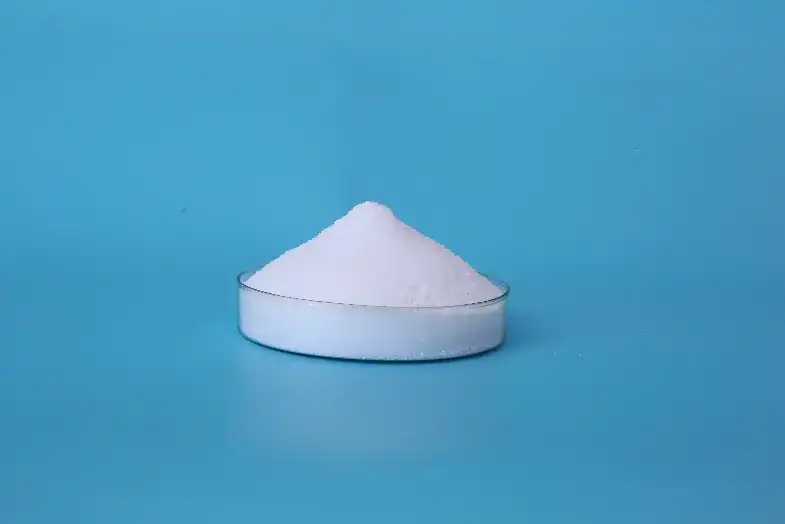
The mechanism involves both charge neutralization and polymer bridging. When a medium-to-high molecular weight CPAM is dispersed in the wastewater, the cationic groups adsorb rapidly onto particle surfaces, collapsing the electrical double layer that keeps particles apart. As the polymer chains extend into the solution, they bridge multiple particles, building flocs dense enough to settle quickly in a lamella clarifier. Textile effluent often contains mixed dye types—reactive, disperse, vat—and each dye class can respond differently. A CPAM product with a medium charge density and very high molecular weight tends to produce the broadest effectiveness across these varying conditions. I have seen plants attempt to compensate for low-charge polymers by doubling dosage, which simply elevates sludge volume without proportionate clarity improvement. Matching the polymer’s charge and chain length to the specific effluent charge demand avoids that trade-off.
Selecting the Right Cationic Polyacrylamide for Your Plant
Three specification decisions matter most: charge density, molecular weight, and physical form. Charge density—typically expressed as mole percent of cationic monomer—determines how strongly the polymer binds to anionic particles. Textile wastewater usually falls in a moderate charge demand range, so a CPAM with 10–30% charge density provides sufficient neutralization without overdosing. Higher charge products can cause charge reversal and re-stabilization of particles, especially in effluent with variable conductivity.
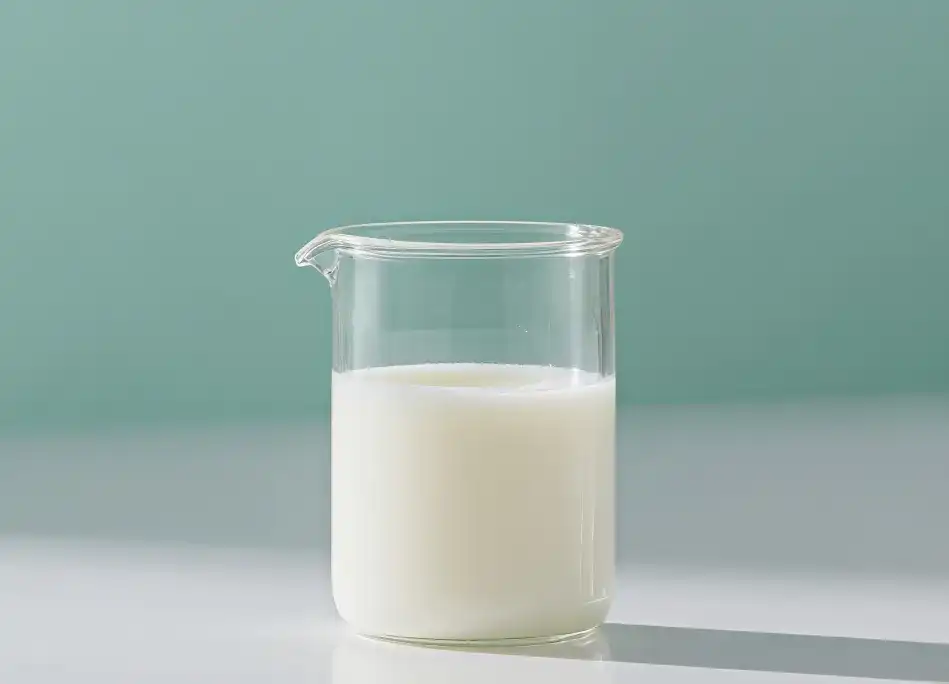
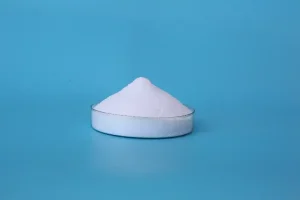
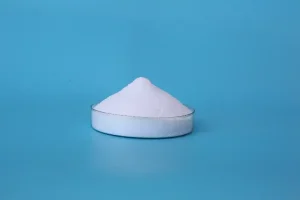
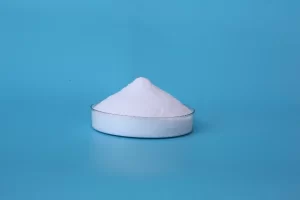
Molecular weight influences floc size and settling rate. A product in the 8–15 million Dalton range delivers fast sedimentation in clarifiers; for belt filter presses, slightly lower molecular weight improves drainage. Emulsion CPAM offers faster dissolution and easier handling for plants without dedicated powder make-down systems, while dry powder provides longer shelf life and lower freight cost per active kilogram.
| Parameter | Typical Range for Textile Effluent | Consideration |
|---|---|---|
| Charge density | 10–30% (medium cationic) | Adjust based on zeta potential measurement |
| Molecular weight | 8–15 million Daltons | Higher for settling, slightly lower for dewatering |
| Physical form | Powder or emulsion | Emulsion for rapid mixing; powder for storage and freight efficiency |
| Dissolution time | 30–60 minutes (powder), 5–15 minutes (emulsion) | Match to existing make-down system capacity |
Supplier-provided jar testing with actual plant effluent remains the only reliable way to confirm flocculant selection, and we recommend requesting a trial batch before committing to volume.
Evaluating CPAM Suppliers for Textile Applications
Beyond the product itself, supply consistency often determines treatment stability. A manufacturer that controls its own cationic monomer production, as we do at Shandong Nuoer, can maintain tighter batch-to-batch charge density consistency than one that purchases monomers externally. This matters because even a few percentage points deviation in charge density can shift optimal dosage enough to require re-calibration of dosing pumps—a disruption textile plants with continuous discharge permits cannot afford.
Production scale is another practical indicator. A supplier running 500,000 tons per year of total polyacrylamide capacity has the operational depth to allocate dedicated production lines for textile-grade products, reducing cross-contamination risk from other cationic grades used in municipal sludge or papermaking. In my experience managing international supply programs, a plant that validates these back-end capabilities during the qualification process encounters fewer surprise lot variations later.
Optimizing CPAM Dosage and Operating Costs
Most textile treatment plants initially overdose CPAM because the standard jar test recommends a conservative rate. Performing a streaming current detector titration on the incoming effluent shifts dosage to the charge-neutralization endpoint rather than a visual floc endpoint, and this typically cuts polymer consumption by 10–15% while maintaining clarity. That range aligns with what we observe when plants implement in-line charge monitoring: savings compound over the year and reduce sludge handling costs because less polymer mass enters the solids stream.
Mixing energy also matters. Over-agitation after polymer addition shears the floc and releases adsorbed dye back into solution. The best practice is to inject the prepared CPAM solution through a low-shear distribution ring and follow with a tapered flocculation zone—two to three chambers where mixing intensity drops by roughly half each stage. Plants that redesign their flocculation trains this way routinely report cleaner overflow at lower polymer doses. If your program involves a mix of dye classes and seasonal production shifts, it is worth confirming with your polymer supplier that the recommended grade remains stable across the conductivity range of your combined effluent. Reach out at en*****@***er.com or +86-532-66712876 to request a sample for jar testing against your specific water chemistry.
Common Questions About CPAM in Textile Treatment
How soon can we see results after switching to a properly matched CPAM grade?
Improvement is visible within the first complete solids retention time cycle of the clarifier—often less than two hours. The difference appears as lower turbidity in the overflow weir and faster blanket settling in the cone.
Does CPAM work on both reactive and disperse dye wastewater?
It works on both, though the charge demand from reactive dye baths tends to be higher. A medium-cationic, high-molecular-weight product covers most mixed streams, but if reactive dyes dominate, a slightly higher charge density may be warranted.
In our experience with overseas suppliers, documentation delays sometimes hold up customs clearance for weeks. How does that get managed?
Full technical documentation, including certificate of analysis and safety data sheets, should accompany every shipment. We pre-file export documentation digitally and provide advance copies before containers depart, which keeps clearance at destination ports moving without holding charges. Share your importing country requirements and we’ll confirm documentation availability.
If you’re interested, check out these related articles:
Choosing Acrylamide Crystals: Research Purity vs. Industrial Scale
Selecting Super Absorbent Polymer for Optimal Sanitary Napkin Performance
Odor Control Super Absorbent Polymer Versus Standard SAP Performance
Amphoteric Polyacrylamide for Refineries: Advanced Treatment Solutions
Acrylamide Solution Factory: Polymer Production Excellence


 English
 Russian
 Arabic
 Spanish