
Acrylic acid is a high-energy monomer. It will polymerize when heat, light, or the wrong metal contact gives it a reason. That is why the grade you specify matters before a drum ever leaves the warehouse. Inhibited vs uninhibited acrylic acid is not a marketing distinction; it is a process control decision that separates a stable quarter from a gelled tank or a failed polymerization batch. Our recommendation is simple: choose inhibited acrylic acid unless your process has a concrete reason to avoid the inhibitor.
Why Inhibited Acrylic Acid Is the Default for Storage and Shipping
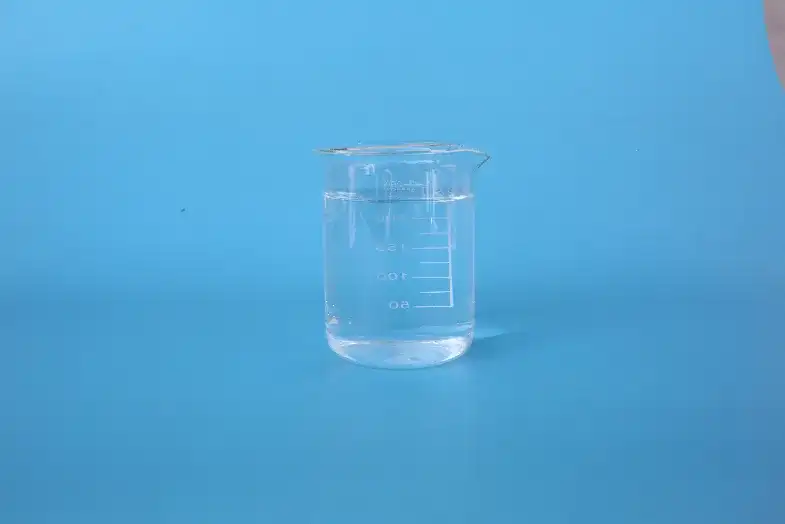
Acrylic acid can begin to self-polymerize when free radicals form. Inhibited grades carry a small amount of a stabilizing compound, most often MEHQ (methyl ether of hydroquinone), that continuously consumes free radicals before they can start a chain reaction. The benefit is simple: the material stays liquid under normal warehouse conditions. We treat inhibited acrylic acid as the default specification for most export and long-distance purchasing because it survives the thermal swings of shipping, port storage, and plant receiving without gel formation. The inhibitor does not prevent polymerization forever, and it does not excuse poor housekeeping. Heat, light, and contact with copper or brass accelerate polymer formation even in stabilized material, so storage still matters.
When Uninhibited Acrylic Acid Becomes the Right Specification
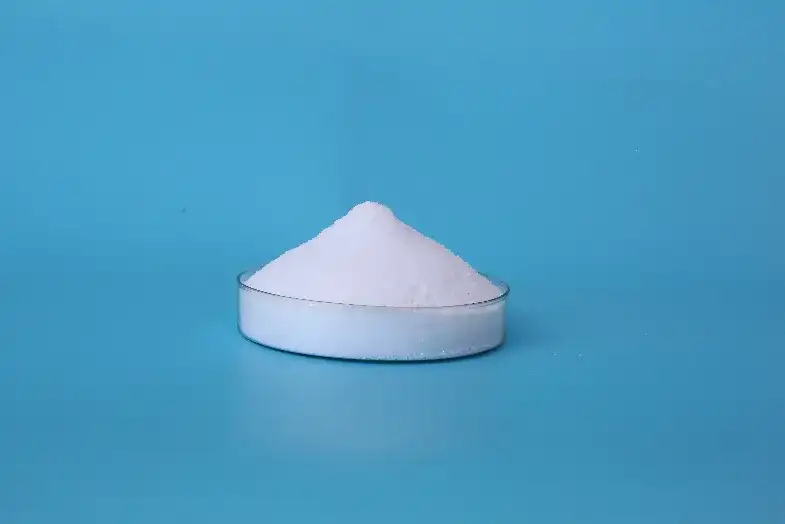
Uninhibited acrylic acid has no stabilizing barrier against radical formation. It is the correct specification only when the process demands it. Some specialty polymerizations, optical or electronic applications, and catalyst systems with tight impurity limits cannot accept MEHQ carryover. In those cases, an uninhibited grade removes a variable that would otherwise slow initiation, shift molecular weight, or leave trace residuals in the final product. The tradeoff is logistics. Uninhibited material must be used promptly and kept cool, dark, and away from incompatible materials. A buyer who orders uninhibited acrylic acid because of a demanding polymerization recipe has made a process decision. One who orders it only to save cost has created a storage risk without a technical return.
The Grade Selection Rules Buyers Can Apply Now
The core comparison comes down to three questions: how long the material will sit, how the polymerization line starts, and whether residual inhibitor matters in the finished polymer. The table below sets out the practical difference.
| Factor | Inhibited acrylic acid | Uninhibited acrylic acid |
|---|---|---|
| Inhibitor | MEHQ, typically 180 to 220 ppm | None or removed before delivery |
| Storage behavior | Stable for months when cool and dark | Limited window; keep refrigerated and use promptly |
| Polymerization start | Slight induction delay | No inhibitor holdback; starts more readily |
| Best application | SAP, coatings, adhesives, long supply chains | Specialty polymers with tight impurity limits |
| Supply risk | Lower | Higher |
If your site receives acrylic acid by ISO tank or flexitank and holds it for weeks, stabilized material is almost always the safer call. If your polymerization recipe is sensitive to MEHQ, request that the producer remove the inhibitor, rather than improvising at the reactor. If your program involves glacial acrylic acid held longer than 21 days or a catalyst system that reacts badly with phenolic inhibitors, confirm the exact inhibitor specification before finalizing the purchase order. Send your storage plan and polymerization method to en*****@***er.com and we will confirm the right grade against your process.
How Inhibitor Level Affects Polymerization and Final Product Quality
MEHQ is not an inert label on the certificate of analysis. It consumes radicals, so it changes how a polymerization begins. If the initiator charge assumes no inhibitor and the feedstock actually contains MEHQ, the reaction starts slowly, conversion falls, and the molecular weight target can shift. In polyacrylamide and superabsorbent polymer production, acrylic acid is a key building block, and a consistent inhibitor level matters as much as a consistent purity level. The same logic applies in reverse. A stripped acrylic acid grade that arrives with no inhibitor gives a faster start, but it leaves no margin for delay. Product quality is better protected when the inhibitor level is specified with the polymer grade, not treated as a separate purchasing detail.
What We Check Before Confirming an Acrylic Acid Grade
At Shandong Nuoer Biological Technology Co., Ltd., acrylic acid is one part of a wider polymer chain. With an annual production capacity of 100,000 tons of acrylic acid and a global sales network in more than 60 countries, our team reviews the practical side of grade selection before quoting. We check storage duration, transport mode, polymerization method, inhibitor tolerance, and the purity grade the plant actually needs. Over years of supplying acrylic acid to polymer producers, we have seen uninhibited drums gel at a receiving dock after a two-week delay that would have been harmless for stabilized material. These are expensive failures because they are visible only after the material has changed. The simplest protection is to specify the grade against the process schedule, not against a standard purchasing template.
The cost of a frozen or gelled acrylic acid order is not a shipping problem; it is a specification problem that could have been settled before the order left the plant. Our team reviews your storage and polymerization parameters and returns a grade recommendation with supplier-published specification data. Send your storage days, polymerization method, and inhibitor tolerance to en*****@***er.com or call +86-532-66712876 to confirm the right acrylic acid grade before scheduling production.
Common Questions About Inhibited and Uninhibited Acrylic Acid
Can I remove the inhibitor myself before polymerization?
In most cases you should not try to remove MEHQ at the reactor. Distillation and adsorption methods exist, but they add capital cost, handling risk, and a new quality variable. If your process cannot tolerate MEHQ, order uninhibited acrylic acid from the producer and schedule it for prompt use. That keeps the specification responsibility upstream, where storage and inhibitor control are already part of the manufacturing process. If your inhibitor limit is unusually tight, share the maximum allowable residual and the producer can confirm whether a standard stripped grade meets it.
Is uninhibited acrylic acid just inhibited product with a missing additive?
A common assumption is that uninhibited acrylic acid is simply inhibited product without an additive. It is not. Uninhibited material has no stabilizing barrier against radical formation, so its safe storage window depends heavily on temperature, exposure, and trace contamination. A drum that is stable for several weeks in a cool, dark, clean environment can begin to build polymer in days if exposed to heat or an incompatible metal. That is why suppliers quote short use windows for uninhibited grades. If your receiving and polymerization schedule is reliable, the specification can work; if not, stabilized material is the safer order.
How long can uninhibited acrylic acid be stored?
It depends on temperature, light exposure, and contamination risk. Under cool, dark, and metal-free conditions, uninhibited acrylic acid may remain usable for days to a few weeks. Inhibited glacial acrylic acid typically stays stable for several months when stored away from heat and air. The exact figure is less important than one operating rule: treat every uninhibited delivery as a short-life material with a defined consumption date. Confirm storage temperature, drum lining, and receiving schedule before the material ships, because the clock starts at production, not at your receiving dock.
What grade error do you see most often in real polymerization programs?
In polymerization programs we have supported, the most common grade error is specifying uninhibited material without confirming the storage window. A plant orders for a batch that slips two weeks, and the material arrives with rising polymer content or unusual viscosity. The fix is a short specification review before the purchase order: storage days, polymerization method, and inhibitor tolerance. If your process has a hard inhibitor limit, we can match the grade to that limit rather than leaving it to the reactor operator. Share your requirements at en*****@***er.com and we will confirm whether an inhibited or uninhibited grade fits the schedule.
If you’re interested, check out these related articles:
Cationic Polyacrylamide Factory Direct Supply: Unrivaled Performance
Nuoer Awarded the Honor of “2024 Dongying City Enterprise with Outstanding Tax Contribution”
Acrylamide Crystal Quality Specifications for Industrial Purity
Amphoteric PAM: Consistent Flocculation in Variable Conditions
Ready-to-Use vs. Concentrated Acrylamide: A Comparative Analysis


 English
 Russian
 Arabic
 Spanish