
Coal preparation plants face a persistent challenge that most flocculant suppliers never address directly: the gap between laboratory settling tests and actual thickener performance. Anionic polyacrylamide performs well in jar tests, yet the same product underperforms when coal slurry characteristics shift between seams or when seasonal water quality changes. The real question for plant engineers is not whether anionic PAM works for coal fines recovery, but how to match molecular weight and hydrolysis degree to specific slurry conditions before committing to bulk orders. This article examines the selection variables that determine whether your flocculant investment translates into consistent underflow density and clear overflow, or becomes another line item consumed faster than budgeted.
Why Coal Slurry Characteristics Dictate Anionic PAM Selection
Coal preparation generates slurries with particle size distributions, clay content, and ionic compositions that vary not only between mines but between production shifts. The negative surface charge of coal fines and clay minerals creates a natural affinity for anionic polyacrylamide’s carboxylate groups, but this affinity behaves differently depending on the degree of hydrolysis and the molecular weight of the polymer chain.
High clay content slurries, common in operations processing lower rank coals, consume flocculant through non-productive adsorption onto clay surfaces. A 25% hydrolysis degree product may perform adequately in low-clay conditions but fail to produce acceptable floc strength when clay fractions exceed 15% of the minus 45 micron material. The mechanism is straightforward: clay particles compete with coal fines for polymer adsorption sites, and insufficient polymer chain length leaves coal particles inadequately bridged.
Water hardness introduces another variable that laboratory tests often miss. Calcium and magnesium ions in process water can partially neutralize the anionic charge along the polymer backbone, reducing the electrostatic repulsion that keeps polymer chains extended in solution. Plants operating with recycled water frequently observe declining flocculant performance over time as dissolved solids accumulate. The practical response is not simply increasing dosage, but selecting a higher molecular weight product that maintains bridging effectiveness even with partial charge neutralization.
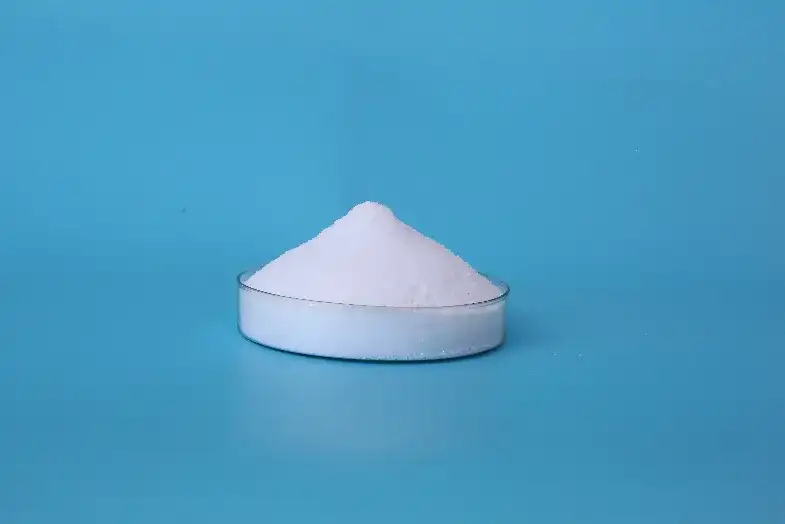
Molecular Weight Selection for Different Thickener Configurations
The relationship between anionic PAM molecular weight and settling performance depends heavily on thickener design and operating philosophy. High-rate thickeners with deep feedwells and steep cone angles can tolerate faster settling flocs that may shear in conventional units. Standard thickeners with shallow rake mechanisms require flocs with greater shear resistance to survive transport to the underflow discharge.
| Thickener Type | Recommended MW Range | Hydrolysis Degree | Typical Dosage (g/t solids) |
|---|---|---|---|
| High-rate | 18-22 million | 25-30% | 80-150 |
| Conventional | 12-18 million | 20-25% | 100-200 |
| Paste | 22-30 million | 30-35% | 150-300 |
These ranges represent starting points for plant trials, not universal prescriptions. I have observed operations where a 15 million molecular weight product outperformed a 22 million product simply because the higher molecular weight polymer could not dissolve completely in the available mixing time. The dissolution behavior of ultra-high molecular weight anionic PAM requires careful attention to makeup water temperature, mixing intensity, and aging time before injection.
Paste thickeners present a specific challenge because the objective shifts from clarification to maximum underflow density. Higher molecular weight products create larger floc structures that trap more water initially but compress more effectively under the deep bed conditions in paste thickeners. The trade-off is slower initial settling rate versus higher final underflow density, and the optimal balance depends on whether the operation is constrained by thickener capacity or tailings storage volume.
Dosage Optimization Beyond the Jar Test
Plant engineers routinely conduct jar tests to establish baseline flocculant dosages, but the translation from beaker to thickener involves variables that jar tests cannot replicate. Shear history, residence time distribution, and feedwell mixing dynamics all influence how much of the dosed polymer actually participates in flocculation versus how much passes through the thickener without contacting particles.
The most reliable approach to dosage optimization starts with understanding the relationship between overflow clarity and underflow density at different addition rates. Increasing dosage beyond the point of acceptable overflow clarity rarely improves underflow density and frequently degrades it. Excess polymer creates a viscous matrix around floc structures that inhibits water release during compression.
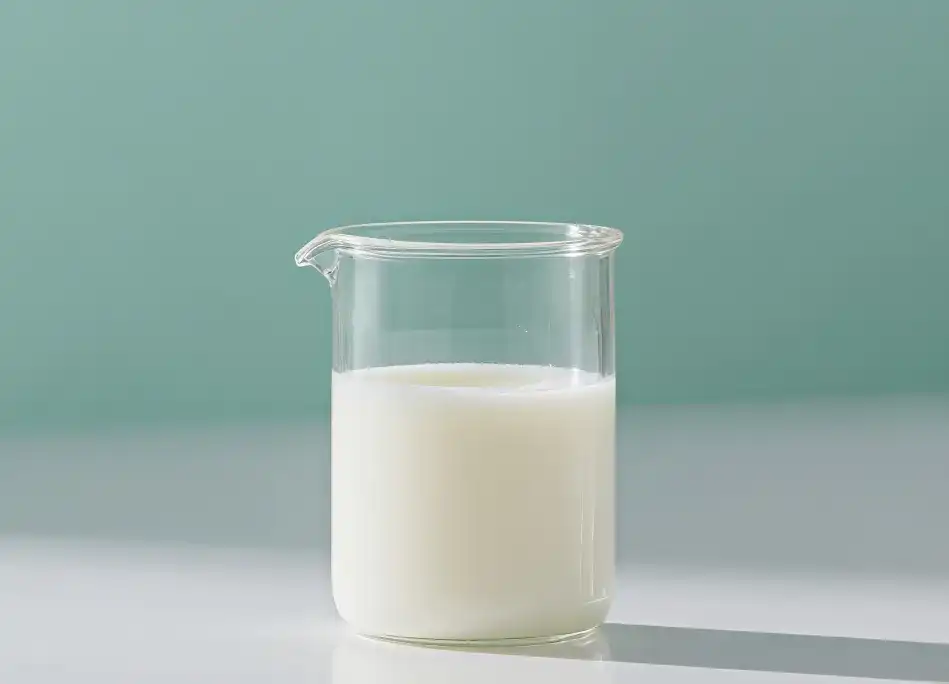
Feed dilution before flocculant addition offers a more effective path to improved performance than dosage increases in many operations. Reducing feed solids concentration from 8% to 4% before polymer injection can improve settling rates by 40-60% at the same absolute flocculant dosage. The mechanism involves improved polymer dispersion and more uniform particle-polymer contact before floc formation. Plants with sufficient thickener capacity should evaluate dilution as a first response to performance issues before increasing chemical consumption.
If your operation processes multiple coal seams with different slurry characteristics, it is worth discussing molecular weight and hydrolysis degree options with your supplier before standardizing on a single product. Shandong Nuoer produces anionic polyacrylamide with molecular weights exceeding 30 million and customizable hydrolysis degrees to match specific application requirements. Send your slurry analysis data to en*****@***er.com or call +86-532-66712876 to discuss product selection for your thickener configuration.
Dissolution and Makeup System Requirements
Anionic polyacrylamide dissolution is the most frequently mismanaged step in coal preparation plant flocculant programs. Incomplete dissolution wastes product, creates inconsistent dosing, and can foul injection lines with undissolved gel particles. The dissolution rate depends on water temperature, polymer particle size, and mixing intensity during the initial wetting phase.
Water temperature between 20-30°C produces optimal dissolution rates for most anionic PAM products. Cold water below 15°C dramatically slows dissolution, potentially requiring 90 minutes or more to achieve complete hydration. Plants operating in cold climates should consider heated makeup water or extended aging tanks to ensure full dissolution before injection.
The initial wetting phase is critical. Dry polymer particles must be dispersed into the water stream without forming clumps that create a hydrated shell around dry cores. Proper eductor or screw feeder design prevents this “fish-eye” formation by ensuring each particle contacts water individually before agglomeration can occur. Once fish-eyes form, they may persist for hours and pass through the system as ineffective gel masses.
Mixing intensity after initial wetting should be moderate. High shear mixing during the hydration phase can mechanically degrade polymer chains, reducing molecular weight and flocculation effectiveness. The target is sufficient agitation to keep particles suspended while hydration proceeds, typically achieved with low-speed paddle mixers or gentle air sparging.
Troubleshooting Common Performance Failures
Performance degradation in coal preparation flocculant systems typically manifests as rising overflow turbidity, declining underflow density, or increasing chemical consumption to maintain baseline results. Each symptom points toward different root causes that require specific responses.
Rising overflow turbidity with stable dosage usually indicates a change in feed characteristics rather than a flocculant problem. Increased clay content, finer particle size distribution, or higher dissolved solids in process water all reduce flocculation effectiveness. The appropriate response is feed characterization followed by product adjustment, not simply increasing dosage.
Declining underflow density at constant overflow clarity suggests over-flocculation. The floc structures are capturing particles effectively but retaining excessive water. Reducing dosage or switching to a lower molecular weight product typically improves water release and underflow density. This counterintuitive response, using less chemical to achieve better results, is one of the most common optimization opportunities in coal preparation plants.
Increasing chemical consumption to maintain performance often indicates makeup system problems rather than feed changes. Polymer degradation from excessive shear, incomplete dissolution, or aged solution breakdown all reduce effective dosage even when volumetric addition rates remain constant. Checking solution viscosity at the injection point against freshly prepared solution provides a quick diagnostic for makeup system issues.
What Plant Engineers Ask About Anionic PAM in Coal Washing
Does higher molecular weight always mean better settling performance?
Higher molecular weight produces larger floc structures through longer polymer chain bridging, but this advantage disappears if the polymer cannot dissolve completely or if the flocs cannot survive the shear environment in your thickener. Plants with short makeup residence times or aggressive feedwell designs often achieve better results with moderate molecular weight products in the 15-18 million range. The optimal molecular weight balances settling rate against dissolution behavior and floc shear resistance for your specific equipment configuration.
How do I know if my flocculant is dissolving completely?
Incomplete dissolution shows up as visible gel particles in the diluted solution, inconsistent dosing pump performance, and unexplained variation in thickener results. A simple field test involves drawing a sample of aged solution and examining it against a light source for undissolved particles or gel masses. Laboratory viscosity testing provides quantitative confirmation. If your current product requires more than 60 minutes for complete dissolution, consider a finer particle size grade or evaluate your makeup water temperature.
Can I use the same anionic PAM product for thickening and filtration?
Thickening and filtration have different performance objectives that often favor different product specifications. Thickening prioritizes settling rate and underflow density, while filtration prioritizes cake release and moisture content. Many operations use a single product for both applications successfully, but plants with demanding filtration specifications may benefit from a separate, lower molecular weight product for filter feed conditioning. Share your filtration targets along with your thickener requirements when requesting product recommendations.
Why does my flocculant performance change with the seasons?
Seasonal variation in flocculant performance typically traces to water temperature changes affecting dissolution rate and polymer chain extension, or to changes in raw coal characteristics between mining areas. Winter operations with cold makeup water frequently experience incomplete dissolution that mimics product quality problems. Summer operations may see increased biological activity in recycled water that degrades polymer solutions. Maintaining consistent makeup water temperature and monitoring solution age before injection addresses most seasonal variation issues. If performance shifts persist after controlling these variables, contact en*****@***er.com with your seasonal slurry data to discuss product adjustments.
If you’re interested, check out these related articles:
Amphoteric Polyacrylamide: Industrial Applications & Performance Guide
Selecting Acrylic Acid Purity: A Technical Guide for Polymer Production


 English
 Russian
 Arabic
 Spanish