
Anionic polyacrylamide manufacturers are compared most reliably by evaluating quality through process data, production scale indicators, and post-sales technical support that mining projects depend on for consistent water treatment outcomes. This requires looking past generic marketing promises and into the manufacturing infrastructure, quality control documentation, and supply chain stability that determine whether a polymer shipment performs identically batch after batch at a coal preparation plant or tailings thickener thousands of kilometers away. Over the past fifteen years of production planning and international market development at Shandong Nuoer Biological Technology Co., Ltd., I have observed procurement engineers consistently consider three quality dimensions: molecular weight consistency and dissolution performance, residual monomer levels that affect environmental compliance, and the manufacturer’s ability to maintain specification integrity at scale. Each reveals far more about a supplier’s quality than any certificate alone.
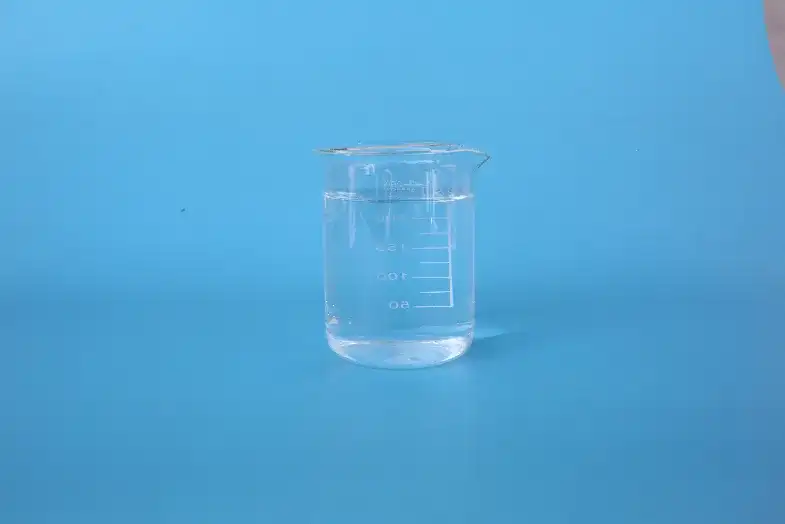
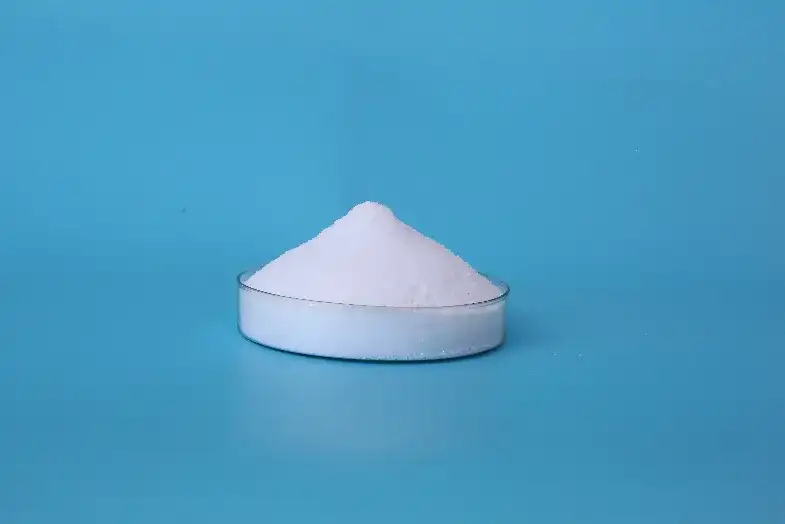
What Distinguishes Anionic PAM Quality at Industrial Scale
Anionic polyacrylamide quality is not a single parameter. It is a set of interdependent properties that must stay within narrow ranges across every production lot a mining or oil field operator receives. The most critical distinguishing factor is molecular weight, which for anionic grades routinely exceeds 30 million. At that size, the polymer’s chain length directly governs its bridging flocculation ability, yet maintaining uniform molecular weight across 50,000-ton annual output is a manufacturing challenge few facilities solve completely.
The next factor is the degree of hydrolysis, typically between 20% and 35% for mining applications. This ratio of carboxylate groups to amide groups sets the charge density that controls how the polymer chain extends in process water and how it interacts with suspended mineral particles. A two-percentage-point shift in hydrolysis degree can measurably change settling rates in a copper tailings thickener, yet many procurement specifications treat this as a pass-fail range rather than a precise optimization target.
Residual acrylamide monomer content is the third pillar, with environmental regulatory thresholds in most jurisdictions now below 0.05%. Manufacturers with in-house acrylamide monomer production and closed-loop polymerization processes achieve residual levels well under this threshold, while those purchasing monomer from external sources often face wider variability due to monomer quality fluctuations. At our Shandong facility, the upstream integration of acrylamide monomer production using microbial technology yields a feedstock with iron content below 1 ppm and conductivity under 20 μS/cm, which directly translates to lower residuals in the finished anionic PAM without post-treatment steps that can degrade molecular weight.
A manufacturer with real quality control does not just meet specification on one batch. They demonstrate the production system’s capability to repeat it across hundreds of batches. That ability separates industrial-scale suppliers from laboratory-scale producers.
| Quality Indicator | What to Verify | Why It Matters for Operations |
|---|---|---|
| Molecular weight range | Batch-to-batch coefficient of variation over last 12 months, not just a single certificate | Dosing is calibrated to a specific MW; drift causes overdosing or under-settling |
| Hydrolysis degree tolerance | Actual tightness of control, e.g. target ±1% rather than ±3% | Directly affects floc strength and water release in dewatering |
| Residual monomer | Routine monitoring data at 0.05% threshold, not just occasional spot testing | Environmental discharge permits depend on compliance |
| Dissolution rate | Time to full viscosity at standard concentration with plant water | Field operators often compromise mixing time; faster dissolution reduces undissolved gel carryover |
| Insoluble content | Weight percentage of gel particles after filtration | Undissolved gel particles blind filter cloths and reduce dewatering efficiency |
Why Production Scale Determines Quality Consistency
The connection between production scale and quality consistency in anionic PAM manufacturing runs deeper than most procurement specifications acknowledge. A plant producing 10,000 tons per year operates with fundamentally different process control capability than one producing 500,000 tons per year, and this difference appears directly in the uniformity of delivered product.
Large-scale continuous polymerization lines stabilize quality because the reactor conditions and monomer feed composition settle into steady-state operation over multi-day production campaigns. A 500,000-ton plant, such as the one we operate at Nuoer, runs multiple parallel polymer lines with automated viscosity monitoring that adjusts initiator dosing in real time based on the molecular weight target. When a reactor deviates even slightly, the correction is applied to the current batch, not found days later in quality control lab results after the product has already been packaged.
This matters for mining procurement because a thickener treating 50,000 cubic meters per day of tailings cannot recalibrate dosing every time a new container of polymer arrives. The plant’s metallurgical team sets dose rates based on expected polymer performance, and unexpected variation forces them into reactive troubleshooting that costs production time. In our experience supplying anionic PAM to large copper and iron ore operations across multiple continents, the procurement engineers who stay with one manufacturer for five or more years all track the same metric: the standard deviation of required dose rate over time. When that number is low, the relationship holds.
Backward integration further stabilizes quality. When a PAM manufacturer also produces its own acrylamide monomer and acrylic acid, the input material quality is controlled from the raw material stage. Acrylic acid purity and inhibitor levels directly affect polymerization kinetics, and a manufacturer buying these inputs on the open market faces an additional source of variability that downstream quality control can dampen but not eliminate. Shandong Nuoer’s annual production capacities of 300,000 tons of acrylamide and 100,000 tons of acrylic acid mean that polymer production starts with monitored, consistent feedstock across every production campaign, not with whatever monomer lot arrived that month.
If your operation treats variable ore grades or seasonal water quality shifts, it is worth understanding how your supplier’s production scale translates to the dose-rate stability you need, as the cost of polymer is small compared to the downtime from a thickener upset. Reach our team at en*****@***er.com to discuss a consistent-specification supply arrangement for your annual polymer program.
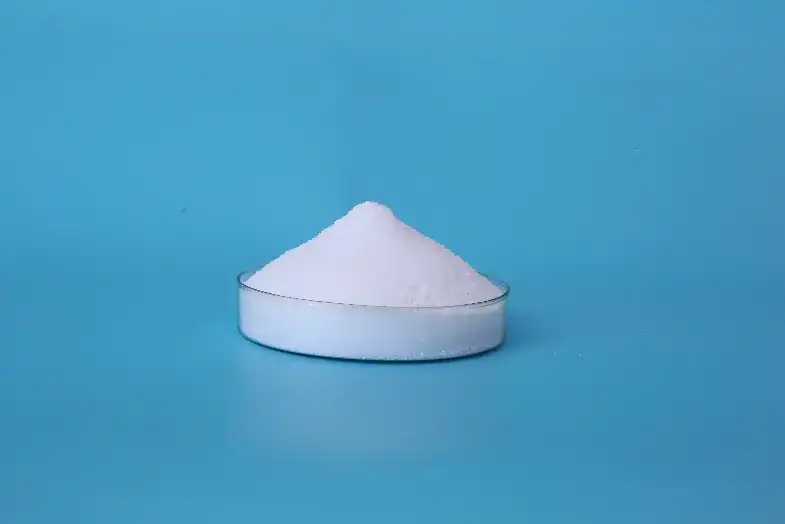
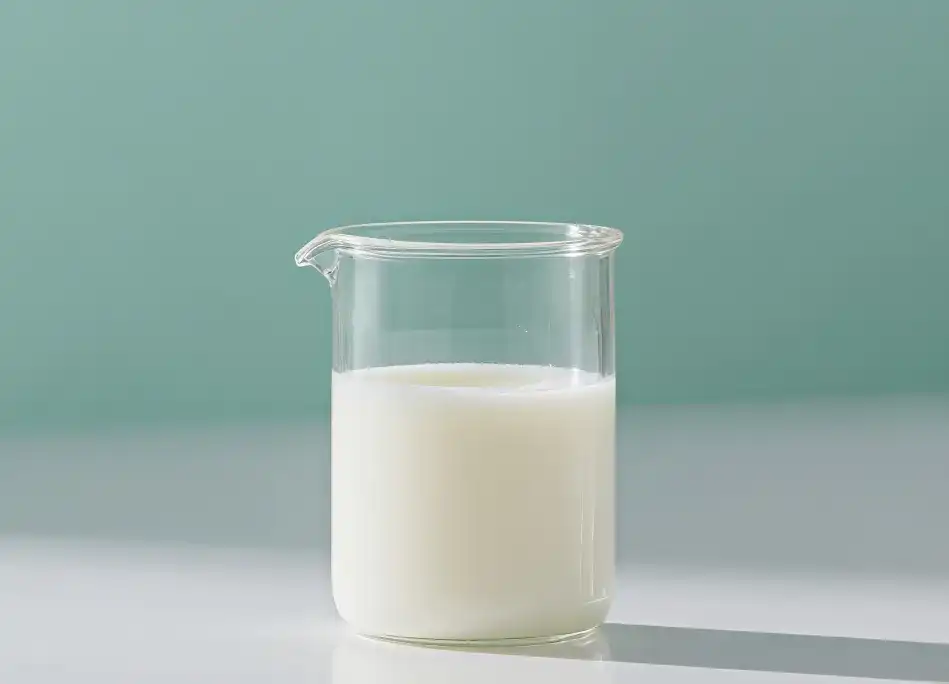
How to Evaluate Dissolution Performance Before Purchase
Dissolution performance separates high-performance anionic PAM from commodity-grade material in ways that a certificate of analysis alone cannot reveal. A polymer with perfect molecular weight and hydrolysis specifications can still cause operational problems if it dissolves slowly, incompletely, or leaves gel residues that accumulate in downstream equipment. Pre-purchase evaluation should test dissolution under conditions that match the target plant’s actual water chemistry and mixing intensity, not just under ideal laboratory conditions.
A practical testing protocol starts with a side-by-side comparison using the same source water the mine or treatment plant will use. Measure the time to reach full viscosity development at a fixed concentration, typically 0.1% to 0.5%, and track the viscosity curve over the first 60 minutes. An anionic PAM with a fast dissolution rate reaches 90% of its plateau viscosity within 30 to 45 minutes under moderate agitation, while slower-dissolving grades may take 90 minutes or longer, particularly in cold water below 10°C where polymer chain hydration decelerates noticeably.
The second critical test is the undissolved gel content. After full dissolution and filtration through a 100-mesh screen, the retained gel mass as a percentage of total polymer added should be below 0.5% for a well-manufactured product. Gel particles originate from insufficient polymerization control or from localized overheating during the drying and grinding steps, and once present, they do not dissolve further in the field no matter how long mixing continues. These particles blind filter cloths in belt presses and accumulate in centrifuge feed lines, reducing dewatering throughput over weeks of operation rather than causing immediate failure.
A third dimension that experienced operators check is dissolution behavior under suboptimal mixing. In an ideal thickened feedwell, the polymer solution has adequate contact time and turbulence, but plant reality often involves short residence times or fluctuating water pressure. Request that the supplier provide performance data at multiple mixing energy inputs, or run your own tests at low, medium, and high shear, to screen out polymers that only perform well under perfect conditions. At our technical center, we routinely simulate representative plant water and mixing conditions for customers before trial shipments, which has revealed dissolution limitations in certain high-molecular-weight grades that spec sheets never disclosed.
The Role of Residual Monomer Content in Environmental Compliance
Residual acrylamide monomer in anionic PAM is treated as a regulated parameter in most jurisdictions, yet the basis for regulatory limits and the manufacturing capability needed to consistently meet them deserve more attention than they receive in routine quality comparisons. Acrylamide monomer is classified as a potential occupational carcinogen and environmental concern, and regulatory thresholds for residual content in commercial polyacrylamide products have tightened substantially over the past decade.
Current best practice targets residual acrylamide below 0.05% by weight for products used in applications where treated water contacts natural water bodies, which includes virtually all mining and industrial wastewater treatment. Meeting this threshold consistently across production requires more than a post-polymerization hydrolysis or washing step, which can reduce residuals but often at the cost of molecular weight degradation. The manufacturing process must be designed from monomer synthesis forward to control the variables that create residual monomer in the first place.
Our production at Shandong Nuoer relies on acrylamide monomer manufactured through a biocatalytic process using microbial enzyme technology, not the older copper-catalyzed hydrolysis method that leaves trace metal impurities and varying levels of unconverted acrylonitrile. The biocatalytic route produces acrylamide monomer with purity exceeding 98% and iron content below 1 ppm, which then feeds directly into polymerization reactors. Because the monomer is so clean, the polymerization conversion rate reaches very high levels, leaving almost no unreacted monomer behind regardless of batch size. This is a structural quality advantage that shows up in every production lot without depending on secondary treatment steps.
For procurement managers assessing multiple anionic PAM manufacturers, the monomer source is worth investigating directly. Ask whether the manufacturer produces its own acrylamide monomer, which production route they use, and what their routine residual monomer testing frequency is. A manufacturer that tests residuals once per month is operating a very different quality system from one testing every batch. In environmental compliance, the frequency of testing is the frequency of risk control. If your discharge permit requires verified residual monomer documentation, share your specific regulatory threshold and annual polymer consumption with us at en*****@***er.com or call +86-532-66712876, and we can confirm specification compliance and documentation availability for your reporting requirements.
Why Full-Spectrum Quality Management Matters More Than Individual Test Results
A procurement team comparing anionic PAM manufacturers often sees a landscape of similar-looking technical data sheets and ISO certificates. The difference between adequate supply and reliable supply emerges at the level of quality management system depth: how the manufacturer handles specification drift, customer complaint resolution, and process change notification before the customer discovers a problem on their own.
Full-spectrum quality management means that every step from raw material intake to finished product shipment operates under documented control with defined corrective action triggers. For anionic PAM production, this includes monomer purity verification at intake, polymerization reactor temperature and initiator feed rate trending, granulation and drying process uniformity, and final product physical and chemical testing. A manufacturer serious about quality maintains statistical process control charts for each parameter and can show trend data over multiple production campaigns, not just isolated certificate values.
One area where quality management differences become visible is in non-conformance handling. Even the best polymerization lines occasionally produce a batch that falls slightly outside specification on one parameter. The difference between manufacturers is how they catch it and what they do next. At Nuoer, our in-process viscosity monitoring detects molecular weight deviation during polymerization, not after drying and packaging. The batch is flagged, tested fully, and either reworked or downgraded to a lower-specification application before it ever reaches a customer. A manufacturer without real-time process analytics only catches deviations in final product testing, by which point the material may already be in a container heading toward a mine site.
Another signal is how the manufacturer communicates process changes. If a supplier shifts monomer source, changes drying temperature, or modifies the granulation screen cut, these adjustments can alter dissolution behavior or dusting characteristics that matter to the end user. A quality-focused manufacturer notifies customers before such changes ship, allowing the customer to run a small-scale confirmation test rather than discovering the difference in a full production run. This level of transparency requires confidence in one’s own quality system and respect for the customer’s operational continuity, and it is worth asking about during supplier qualification visits.
How to Structure Your Anionic PAM Quality Comparison
An effective quality comparison between anionic polyacrylamide manufacturers builds on a structured evaluation framework rather than a checklist of individual tests. Start by defining the three to five performance parameters most critical to your specific application, with acceptance thresholds that reflect operational reality, not supplier guarantees.
For a mining tailings application, the shortlist typically includes molecular weight and its batch-to-batch consistency, dissolution time under actual plant water temperature, residual monomer for environmental compliance, and insoluble content for filtration system longevity. Assign each parameter a weight based on its operational impact, then request documented evidence for each from the candidate suppliers, not summary statements.
Request batch data over a representative period, ideally the last twelve months, and examine the coefficient of variation for each parameter, not just the average. A supplier whose specification sheet shows molecular weight of 28-32 million is less useful than one who can show that their last fifty batches all fell within 29.5-30.5 million with a standard deviation under 1%. The second supplier is delivering predictability, which is what the plant operator actually needs.
Include logistics and supply stability in the quality comparison. An anionic PAM manufacturer with in-house monomer production, large warehousing capacity, and a proven export network to your region reduces the supply interruption risk that can force a plant to switch to an untested alternate product on short notice. Nuoer’s annual anionic PAM production capacity of 500,000 tons, supported by upstream monomer and acrylic acid capacities, means that a large mining client requiring 2,000 tons per year represents a small fraction of total output with reliable allocation, not a production planning challenge that could deprioritize smaller customers during demand spikes.
The final evaluation step is to run a side-by-side field trial with your top two or three shortlisted manufacturers, using the same evaluation protocol, same water, same operators. Document required dose rate, overflow clarity, underflow density, and any operational observations. The result of this comparison is not a pass or fail for the product but a quantification of the difference in operational performance between suppliers, which converts the quality comparison into an economic decision for the procurement team.
Common Procurement Questions About Anionic Polyacrylamide Quality Differences
How significant is molecular weight variation between manufacturers, and does it affect plant dosing?
Molecular weight variation between anionic PAM manufacturers can be substantial even when all claim to meet the same specification range. In our production monitoring across large-scale campaigns, we target a molecular weight coefficient of variation below 2% month over month. Some manufacturers operating smaller lines or without continuous polymerization capability see variation closer to 5% to 8%, which the end user experiences as a need to adjust dose rate slightly with each new shipment. A flocculant dose change of 10% to 15% in a large thickener represents hundreds of kilograms per day of additional or reduced polymer consumption, so the cost of inconsistency accumulates steadily. Procurement teams who invest in quantifying this variation during supplier qualification gain a clear cost-of-quality metric for their comparison.
Does a lower price from a smaller anionic PAM manufacturer indicate quality compromise?
Not always, but a price difference of more than 15% to 20% below the market average for equivalent-specification anionic PAM warrants investigation into what the manufacturer is not including. The cost structure of anionic polyacrylamide production is dominated by acrylamide monomer cost, energy for drying, and quality control overhead. A manufacturer with backward integration into monomer and acrylic acid production can genuinely reduce input costs without sacrificing polymer quality, which is the structure we operate under at Nuoer. However, a manufacturer without that integration who offers significantly lower pricing is likely reducing quality control frequency, using lower-grade monomer with wider impurity tolerances, or operating at smaller scale with less process automation, all of which can manifest as quality inconsistency over time.
What documentation demonstrates that an anionic PAM manufacturer truly controls residual monomer?
The strongest documentation is batch-level residual monomer test data for every production lot, not just periodic or type-test certificates. Ask for a twelve-month log of residual acrylamide results with batch numbers, and verify that the testing frequency matches the number of batches produced. A manufacturer producing 100 batches per month but testing only five is controlling residual monomer on a sampling basis with significant blind spots. At Nuoer, residual monomer testing is performed on every batch as part of standard quality control release, and this data is available for customer review. The combination of biocatalytic monomer production and per-batch testing provides the consistency that environmental compliance requires.
Does dissolution rate vary between anionic PAM products with the same molecular weight specification?
Yes, dissolution rate can differ by 50% or more between products with identical molecular weight on paper, because dissolution is influenced by particle size distribution, granulation process, and the polymer’s crosslinking density, none of which appears in a typical specification sheet. A product that dissolves in 30 minutes at 20°C versus one requiring 60 minutes makes a real difference for a treatment plant with short mixing residence time or for cold-weather operations where water temperature slows dissolution further. Pre-purchase testing with the actual plant water and mixing conditions is the only reliable way to compare dissolution performance. For programs where fast dissolution is critical, share your water temperature range and typical mixing configuration; we can provide dissolution curve data specific to those conditions, helping you confirm that the selected product will perform as expected before any trial commitment.
If you’re interested, check out these related articles:
Choosing Cationic Polyacrylamide for Optimal Paper Mill Performance
Emulsion PAM for Mobile Water Treatment Units: A Strategic Guide
Non-Ionic Polyacrylamide: Stable Flocculation Across Wide pH Ranges
Cationic Polyacrylamide Factory Direct Supply: Unrivaled Performance


 English
 Russian
 Arabic
 Spanish