
Polyacrylamide manufacturers who source acrylamide crystal from multiple suppliers face a recurring problem: batch to batch variation that disrupts polymerization consistency and final product performance. I have spent over fifteen years managing polymer production lines and global supply chains at facilities producing 300,000 tons of acrylamide annually, and the pattern is clear. Procurement teams often focus on price and delivery terms while underweighting the technical parameters that actually determine whether a supplier can deliver consistent monomer quality month after month. This guide addresses the specific audit criteria that separate reliable acrylamide crystal suppliers from those whose product variability will cost you more in rejected batches than you saved on unit price.
Why Acrylamide Crystal Purity Directly Affects Polymerization Yield
The relationship between monomer purity and polymer performance is not linear. Small impurity increases cause disproportionate problems. Acrylamide crystal with purity below 98.0% introduces chain transfer agents and inhibitors that terminate polymer chains prematurely, reducing molecular weight and viscosity. For polyacrylamide destined for enhanced oil recovery or high performance flocculants, this translates directly to reduced field effectiveness.
Iron contamination above 1 ppm catalyzes oxidative degradation during storage and polymerization. Conductivity readings above 20 μS/cm indicate ionic impurities that interfere with charge density in cationic and anionic PAM grades. When I audit a new supplier, I request not just the certificate of analysis but retention samples from at least three production batches. Single batch data tells you what they can achieve under ideal conditions. Multi batch data tells you what they actually deliver.
| Parameter | Target Specification | Failure Threshold |
|---|---|---|
| Purity | ≥ 98.0% | < 97.5% |
| Moisture | ≤ 0.8% | > 1.2% |
| Iron content | ≤ 1 ppm | > 2 ppm |
| Conductivity | ≤ 20 μS/cm | > 30 μS/cm |
| Inhibitor | 3–10 ppm | < 2 or > 15 ppm |
| Color (APHA) | ≤ 10 | > 20 |
The inhibitor range deserves particular attention. Too little inhibitor and the crystal polymerizes during transport. Too much and your reactor kinetics become unpredictable. Suppliers who cannot hold inhibitor content within a narrow band lack the process control sophistication you need for consistent production.
How to Structure a Supplier Quality Audit for Acrylamide Crystal
A paper audit catches obvious problems. An on site audit catches the problems that will actually shut down your production line. When visiting an acrylamide crystal manufacturing facility, I focus on three areas that procurement teams frequently overlook.
Process Control Documentation
Request the process flow diagram and identify every point where contamination can enter. Crystallization temperature control, mother liquor recycling ratios, and drying conditions all affect final product quality. Ask how they handle off spec material. Suppliers who reprocess and blend off spec batches into commercial product will eventually ship you a batch that fails your incoming QC.
Analytical Capability
Walk through their quality control laboratory. Do they have HPLC capability for residual monomer analysis? Gas chromatography for solvent residues? Atomic absorption for metals? A supplier relying solely on titration and visual inspection cannot detect the impurities that matter for polymer synthesis. Ask to see their calibration records and proficiency testing results.
Storage and Handling Infrastructure
Acrylamide crystal requires cool, dark storage to prevent premature polymerization. Facilities in warm climates without climate controlled warehousing will experience seasonal quality variation. Check their packaging lines for contamination controls and their loading procedures for moisture exposure.
If your annual acrylamide crystal consumption exceeds 500 tons, the cost of an on site audit is trivial compared to the cost of a single contaminated shipment that ruins a reactor batch.
Comparing Acrylamide Crystal Suppliers by Production Technology
The manufacturing route determines the impurity profile. Biological (enzymatic) production using nitrile hydratase yields acrylamide with lower acrylonitrile residues than chemical hydration routes. This matters because acrylonitrile is both toxic and a chain transfer agent that limits achievable molecular weight.
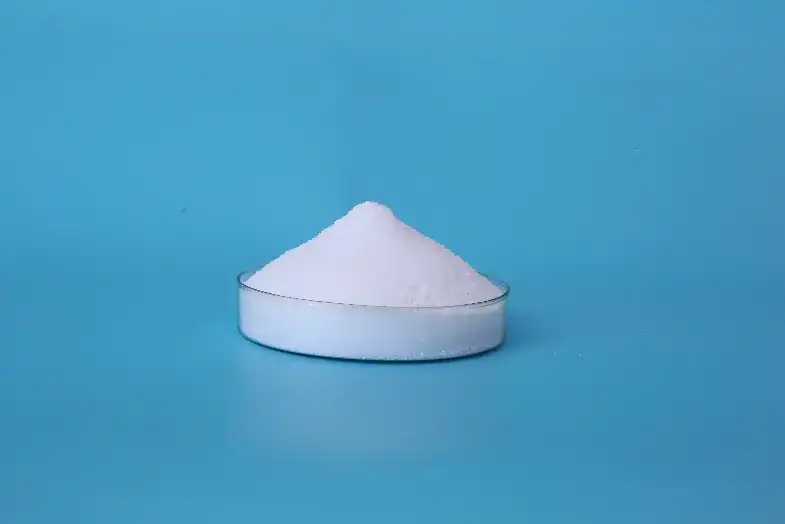
Shandong Nuoer Biological Technology uses advanced microbial technology for acrylamide production, achieving ultra low impurities and strong polymerization performance. With 300,000 tons annual acrylamide capacity, the facility maintains the scale necessary for consistent raw material sourcing and process stability. Smaller producers often struggle with batch to batch variation simply because their production volumes do not justify the process control investments that consistency requires.
| Production Method | Acrylonitrile Residue | Typical Purity | Molecular Weight Ceiling |
|---|---|---|---|
| Chemical hydration | 0.3–0.8% | 97–98% | 15–20 million |
| Enzymatic (microbial) | < 0.1% | ≥ 98% | > 25 million |
For manufacturers producing ultra high molecular weight polyacrylamide for enhanced oil recovery, the production method of your acrylamide crystal supplier is not a minor detail. It determines whether you can meet your product specifications at all.
What Incoming Quality Control Should Verify on Every Shipment
Even qualified suppliers have bad batches. Your incoming QC program is the last line of defense before contaminated monomer enters your reactor. At minimum, every acrylamide crystal shipment should undergo:
Visual inspection: Color should be white to off white. Yellow discoloration indicates oxidation or thermal degradation. Clumping suggests moisture exposure or partial polymerization.
Moisture determination: Karl Fischer titration, not loss on drying. Acrylamide crystal can hold moisture in ways that oven drying does not fully release.
pH measurement: Dissolve 10 g/L in deionized water. pH should fall between 6.5 and 7.5. Values outside this range indicate acidic or basic impurities that will affect polymerization pH control.
Conductivity: Same 10 g/L solution. Conductivity above 20 μS/cm warrants further investigation for ionic contaminants.
Retention sample: Keep a sealed sample from every lot for at least six months. If a polymer batch fails, you need the ability to trace back to raw material quality.
The cost of this testing program is less than 0.5% of raw material cost. The cost of a failed polymer batch is typically 10 to 50 times the raw material value.
When Acrylamide Crystal Quality Problems Indicate Deeper Supplier Issues
Individual batch failures happen. Patterns of failure indicate systemic problems that will not resolve without supplier intervention. Track your incoming QC data and watch for:
Seasonal variation: Quality degradation during summer months suggests inadequate storage climate control. This is a capital investment problem the supplier may be unwilling to address.
Post holiday variation: Quality drops after extended production shutdowns indicate poor startup procedures or raw material degradation during idle periods.
Specification drift: Gradual movement toward specification limits over multiple batches suggests process drift that quality control is not catching or not correcting.
When I see these patterns, I schedule a supplier review meeting before the next purchase order. The conversation is straightforward: show me your corrective action plan with dates and verification methods, or I begin qualifying an alternative supplier. Suppliers who respond with excuses rather than action plans have already told you what your future experience will be.
For procurement teams evaluating acrylamide crystal suppliers or experiencing quality variation with current sources, send your specifications and recent quality data to en*****@***er.com or call +86-532-66712876. We can review your requirements against our production capabilities and provide retention samples for your qualification testing.
Common Questions About Acrylamide Crystal Supplier Audits
How often should we audit our acrylamide crystal suppliers?
Annual audits are standard for qualified suppliers with stable quality history. Increase to semi annual audits after any significant quality event, supplier ownership change, or process modification. New suppliers warrant an initial qualification audit plus a follow up audit within six months of first commercial shipment. The audit frequency should reflect actual risk, not just calendar convenience.
What documentation should suppliers provide before an on site audit?
Request certificates of analysis for the last twelve production batches, process flow diagrams, quality manual excerpts covering raw material control and finished product testing, and any third party certifications such as ISO 9001 or ISO 14001. Review this documentation before the site visit to identify specific areas requiring verification. Suppliers who cannot produce this documentation within two weeks likely have organizational problems that will affect product quality.
Can we rely on supplier certificates of analysis without independent verification?
No. Certificates of analysis represent what the supplier measured, which may differ from what you receive due to sampling variation, analytical method differences, or documentation errors. Independent verification of at least purity, moisture, and conductivity on every incoming lot is the minimum standard. Trust but verify is not cynicism; it is quality management.
What is the most common acrylamide crystal quality problem that audits miss?
Inhibitor content variation. Many audits focus on purity and moisture while accepting inhibitor content as a minor parameter. In practice, inhibitor variation causes more polymerization problems than purity variation because it directly affects reaction kinetics. Request inhibitor trend data for the last twenty batches and look for variation exceeding plus or minus 20% of the mean. If you need specific guidance on inhibitor specifications for your polymerization process, share your reactor parameters and we can recommend appropriate incoming limits.
If you’re interested, check out these related articles:
Water Flooding with Anionic Polyacrylamide: EOR Strategies
Industrial Acrylamide Aqueous Solution: Applications & Purity
Selecting a Reliable Acrylic Acid Manufacturer for Quality
Amphoteric Polyacrylamide: Refining Efficiency and Water Treatment
Acrylic Acid Suppliers: Quality Testing & Procurement Strategies


 English
 Russian
 Arabic
 Spanish