
Cationic PAM manufacturer quality tests matter because dewatering polymer failures arrive late. A plant can run weeks of acceptable operation before a charge density shift or residual monomer irregularity collapses cake solids and pushes disposal cost upward. At Shandong Nuoer Biological Technology, our production and export team reads quality as a batch-level discipline, not a single-sample event. Supplier differences are rarely visible on a laboratory specification sheet alone; they appear in repetition, monomer control, and the data a manufacturer releases before you ask for it.
What Quality Tests Should You Require From Cationic PAM Manufacturers?
Start with the tests that predict day-to-day dewatering stability. Request charge density as a lot value, not a brochure range. Ask for molecular weight or intrinsic viscosity data from the same production batch that would ship to your plant. Check residual monomer content and dissolution time under your actual water temperature, mixing intensity, and sludge age. A manufacturer that offers only a single certificate of analysis from an archived sample has not shown production control.
| Test parameter | What a single demo sample may show | What production-integrated supply should show |
|---|---|---|
| Charge density | One favorable value | Lot-level distribution and charge type confirmation |
| Dissolution time | Prepared under ideal lab conditions | Timed solubility in plant water at normal mixer speed |
| Residual monomer | Often missing | Lot test report with low and stable values |
| Cationic monomer source | Market-purchased monomer with cost-driven swings | Self-produced monomer with controlled quality |
| Batch traceability | Limited or unknown | Lot numbers linked to production records and shipment documents |
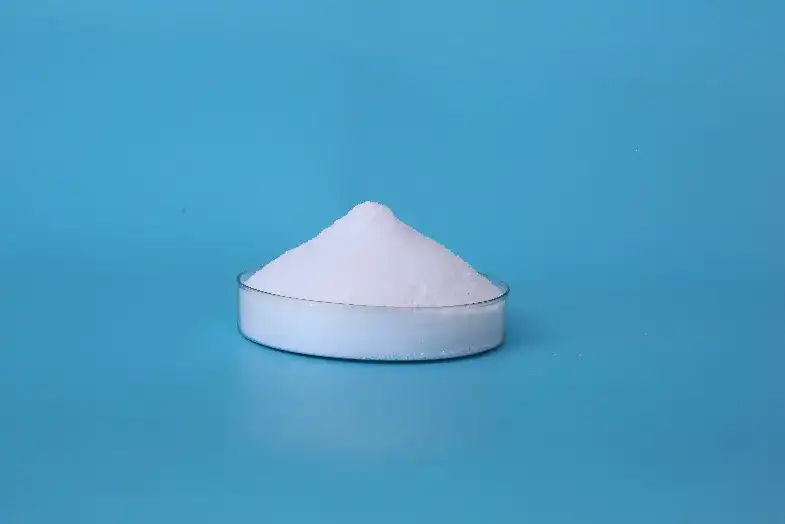
Our cationic polyacrylamide line starts with self-produced cationic monomers, and that removes one major source of variation. When monomer quality is controlled upstream, the finished polymer holds a tighter charge density distribution across lots. We treat that integration as the starting point for any quality comparison, not as a marketing statement.
Why Does Charge Density Matter More Than a Single Jar Test?
A jar test shows how a polymer behaves on one day with one sludge batch. It cannot show whether the same charge density will arrive in the next container. Cationic PAM performance depends on matching charge density to the surface charge of the solids. If the charge is too low, flocs stay weak and fines escape to the centrate. If it is too high, the polymer can restabilize particles and raise dose. I have watched plants try to fix a wet cake by adding more polymer when the real problem was a charge density shift between supplier lots. More product cannot correct the wrong charge; it only raises cost and makes the centrate more viscous.
If your sludge charge varies with industrial discharge or seasonal solids changes, it is worth confirming charge density distribution before finalizing the polymer grade in your BOM (bill of materials). Send your sludge type and target cake solids to en*****@***er.com and we can match the test panel to your dewatering line.
How Does Batch Consistency Change Dewatering Performance?
A supplier can pass one qualification audit and then change the game. Batch consistency is where variability appears: monomer quality drifting, reactor temperature control loosening, or drying conditions changing final particle size. When those variables move, the same grade number does not perform the same way in a belt press. We treat every production campaign as a series of controlled points, not a single approval event. Buyers should request lot-level data before switching, then sample incoming containers against the approved baseline. That is the only way to catch a shift before it turns into a dewatering failure.
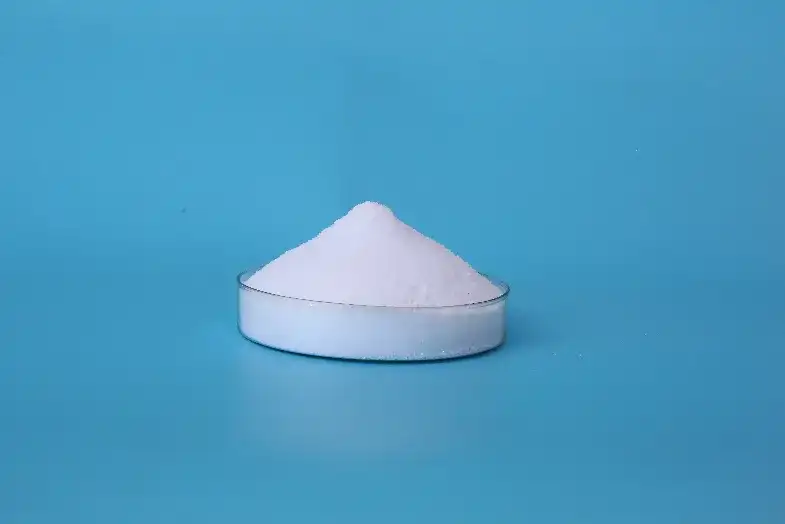
Plants that monitor polymer consumption per dry ton of solids get an early warning of batch inconsistency. If dose rises without a change in sludge quality, check the incoming lot before adjusting the machine. That habit separates stable dewatering operations from plants that chase polymer dosage all year.
What Production Controls Make Cationic PAM Quality Repeatable?
Repeatable quality starts upstream of the reactor. If a manufacturer buys cationic monomers on the open market, every supplier change or price cycle can shift the charge distribution of the finished polymer. If the monomer is produced in the same industrial chain as the polymer, the specification can be fixed before polymerization begins. At Shandong Nuoer, cationic monomer self-production sits within a production system that supplies PAM, acrylamide, and acrylic acid to more than 60 countries. That integration removes a variable commodity suppliers pass down to the wastewater plant.
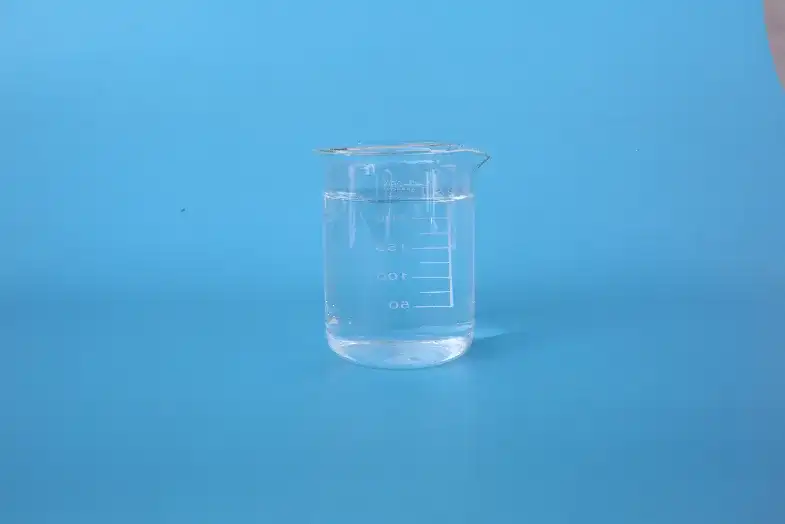
Downstream controls matter just as much: polymerization temperature, monomer conversion, drying control, and final screening all affect dissolution and floc strength. We compare suppliers not only on the certificate of analysis, but on the control points behind it. A company that cannot describe its monomer sourcing should not be treated as a manufacturer.
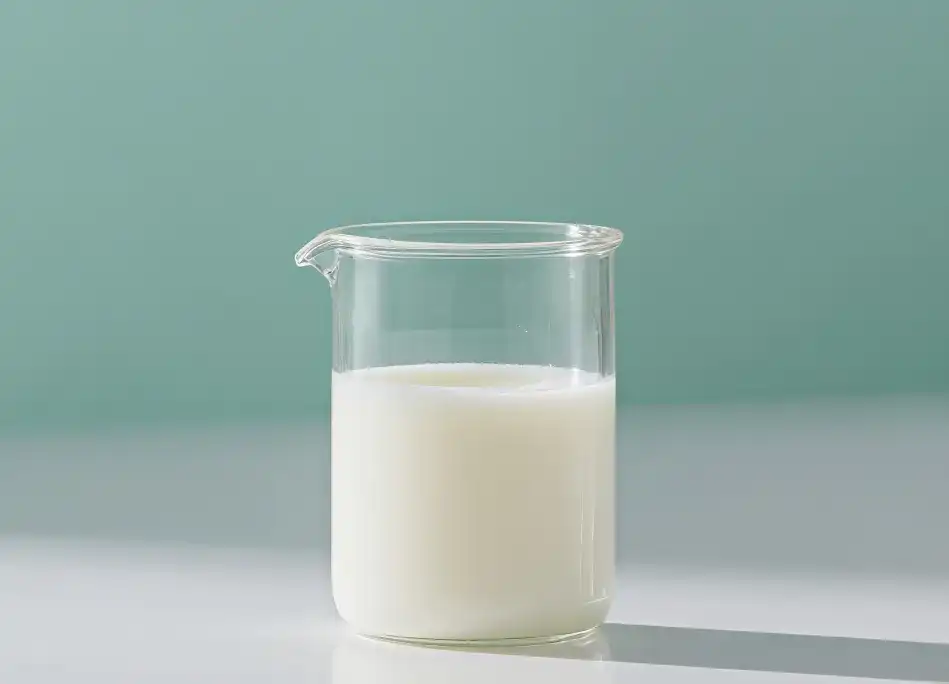
The same logic applies to rapid-dissolution requirements. Our emulsion-type PAM reaches ready-to-use condition in 5 to 15 minutes, but a timed dissolution result means little if the next batch is produced from a different monomer source. Production integration, not a single fast sample, is what keeps that number repeatable.
Which Cationic PAM Quality Decision Comes Next?
Cationic PAM quality problems rarely announce themselves at purchase. They appear as rising polymer dose, a wetter cake, or a centrate that will not clear, often weeks after a new supplier is approved. Switching back costs time, and the disposal cost increase is already locked in. Shandong Nuoer Biological Technology supplies cationic polyacrylamide from an integrated production system with self-produced cationic monomers and documented batch control. Before you set a grade in your BOM, send your sludge type, target cake solids, and current polymer consumption to en*****@***er.com or call +86-532-66712876. We will confirm which charge density range and lot-level tests match your dewatering line.
What Else Do Buyers Ask About Cationic PAM Quality Testing?
Is a higher molecular weight always the right choice for sludge dewatering?
Not always. High molecular weight strengthens flocs, but charge density and dissolution behavior matter just as much. A very high molecular weight cationic PAM can produce large, sticky flocs that blind a belt press if the charge does not match the sludge. The right grade is the one that hits the target cake solids at the lowest practical dose across multiple lots. Before raising molecular weight, confirm that the current lot is within the specification you approved.
How many samples should we test before changing cationic PAM suppliers?
It depends on how stable your sludge is. For a plant with steady municipal influent, two or three incoming lots tested against an approved baseline may be enough. For industrial or seasonal waste streams, test five or more consecutive deliveries and compare charge density, dissolution time, and residual monomer data. The point is not to test every bag forever. It is to establish enough production history to confirm that the supplier can hold the same quality across campaigns.
Does a low residual monomer specification matter for municipal wastewater compliance?
Many plants treat residual monomer as a health-only parameter. It also reveals conversion control in the polymer reactor. A high or drifting residual monomer value can indicate incomplete polymerization, which often parallels inconsistent molecular weight and weaker floc formation. Buyers should view the lot-level residual monomer report as a process control signal, not a pass or fail afterthought. When the value is low and stable, the polymerization system is doing its job.
Can a manufacturer customize charge density for our sludge type?
The more useful question is whether the manufacturer can adjust charge density without changing molecular weight or dissolution behavior. That requires control over the cationic monomer feed, not just blending different finished grades. A supplier with self-produced cationic monomers can shift the charge while holding the rest of the polymer stable, which matters when sludge moves from primary to waste activated solids or when industrial loading changes. Share your sludge type, current cake solids, and polymer dose to en*****@***er.com, and we will confirm which charge density range and test panel match your dewatering line.
If you’re interested, check out these related articles:
Best Amphoteric PAM for Oil Refinery Wastewater Treatment
How Non-Ionic Polyacrylamide Works: pH Stability & Flocculation
Acrylamide Monomer: Your Reliable Global Manufacturing Partner


 English
 Russian
 Arabic
 Spanish