
Acrylamide monomer is not a true commodity input for chemical plants. A batch with acceptable purity but the wrong inhibitor level can change polymerization speed, broaden molecular weight distribution, or leave residual monomer in the finished polyacrylamide. From fifteen years managing polyacrylamide and acrylic chemical production, I treat monomer qualification as a process audit rather than a certificate check. The purchasing decision should weigh crystal or aqueous solution form, factory scale, and the production route behind the specification. These are the checks I would run before committing a continuous plant to a new supply.
Acrylamide Monomer Specifications Chemical Plants Must Verify
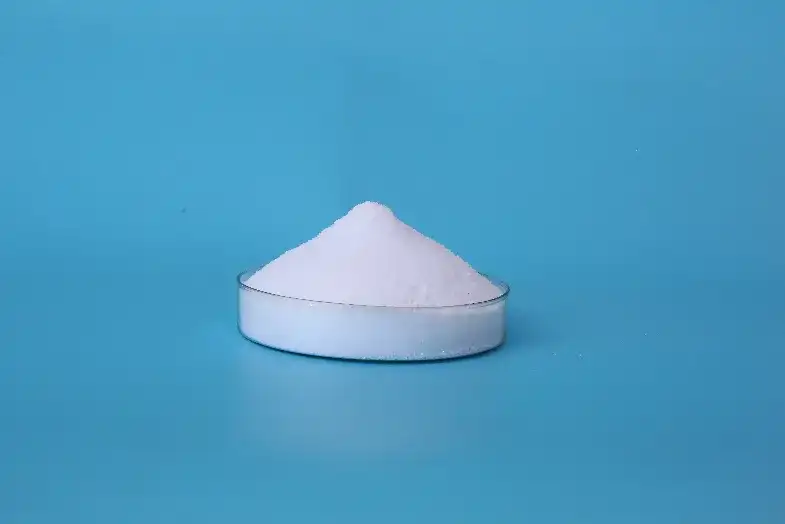
Acrylamide monomer quality shows up fastest in polymer consistency. For crystal material, the working baseline is purity not less than 98.0 percent, moisture no more than 0.8 percent, pH between 6.5 and 7.5, conductivity no more than 20 μS/cm, and iron no more than 1 ppm. Inhibitor content between 3 and 10 ppm is normal and should be matched to the initiator system, not treated as contamination. These are the values I check before a plant trial because they influence reaction rate and final polymer solubility.
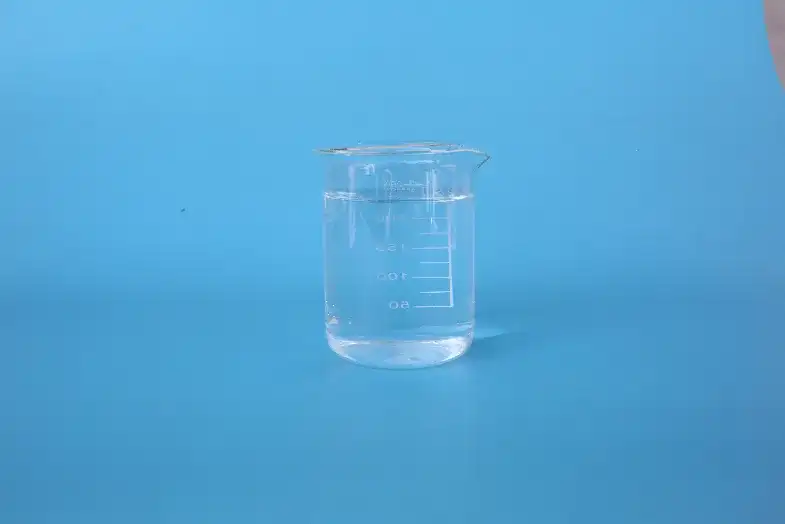
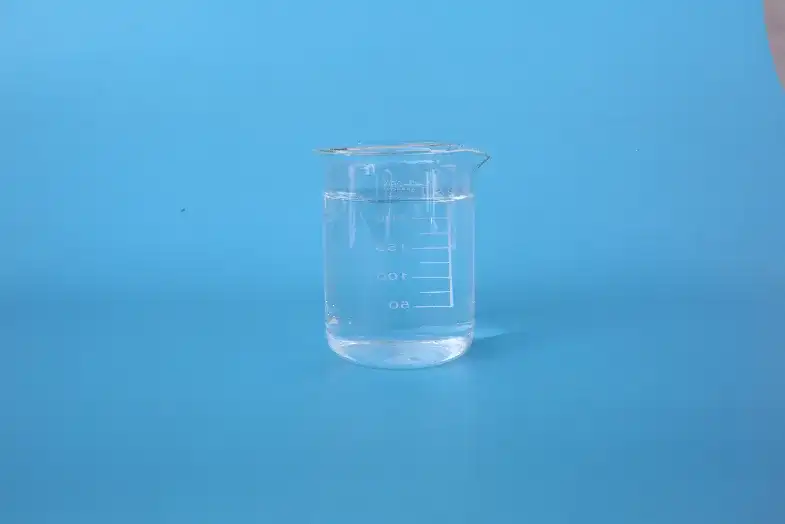
In aqueous solution form, concentration is the first specification to confirm. We supply 28 to 30 percent, 38 to 42 percent, and 48 to 52 percent acrylamide content, with acrylonitrile no more than 0.1 percent, acrylic acid no more than 0.3 percent, and pH between 7.0 and 9.0. A plant ordering by volume without checking concentration can underdose a polymerization line and produce low molecular weight polymer.
Matching Acrylamide Monomer Form to Polymerization Process
Form selection is not a preference question. It depends on how the plant receives, stores, and meters monomer into the reactor.
When AM Crystal Is the Better Fit
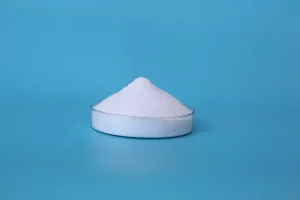
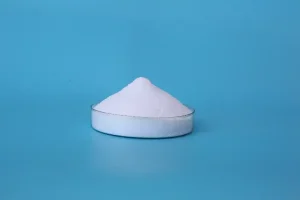
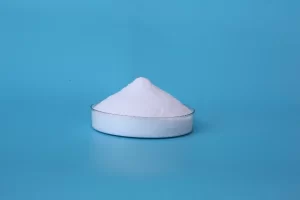
AM crystal suits irregular production and longer storage windows. A white crystalline solid with stable shelf life is easier to hold in a cool, dark warehouse than a temperature sensitive solution. The tradeoff is the added dissolution step and the need to control the dissolving operation so the batch enters the reactor at a known concentration.
When AM Aqueous Solution Fits Continuous Plants
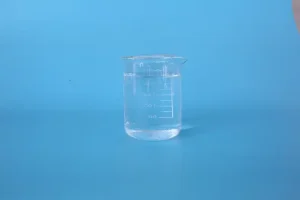
Aqueous solution removes the dissolution step and shortens the time from receiving to reactor. It fits continuous polyacrylamide lines where monomer is pumped and metered directly. The plant must protect storage from heat and UV light, but the operating benefit is usually lower handling error and less batch-to-batch concentration drift.
| Factor | AM Crystal | AM Aqueous Solution |
|---|---|---|
| Typical state | White crystalline solid | Liquid, 25 to 50 percent concentration |
| Receiving | Drum or big bag | Tank or IBC |
| Storage condition | Cool, dark, dry | Protected from heat and UV |
| Metering | Dissolved before use | Pumped directly |
Factory Scale, Backward Integration, and Supply Continuity
A factory that only repacks monomer cannot offer the same supply continuity as a producer with its own acrylamide capacity. Our production base includes 300,000 tons of annual acrylamide capacity alongside 500,000 tons of polyacrylamide, 200,000 tons of polyacrylamide emulsion, 560,000 tons of superabsorbent resin, and 100,000 tons of acrylic acid. That backward integration matters because the monomer plant and the polymer plant share quality feedback. If a batch drifts, the downstream polymerization team sees it first, and the correction loop is short.
For a chemical plant buyer, scale also reduces allocation risk during tight supply. A dedicated monomer block with multiple downstream uses is less likely to stop because of weak demand in one market. Capacity alone is still not a guarantee. The purchase commitment should specify monthly draw, concentration, packaging, and delivery window before the contract starts.
If your process runs continuous polymerization with a narrow molecular weight target, confirm the monomer’s inhibitor range against your initiator package before finalizing the BOM. Send your current specification to en*****@***er.com and we will check compatibility against the grade you are considering.
Evaluation Checks Beyond the Standard Certificate
A certificate of analysis only tells you the batch that was tested. It does not confirm that every shipment will stay within the same range. Before a trial order, I ask for three additional items.
- Inhibitor and residual acrylonitrile limits with the test method used.
- Packaging and shelf life statement for the actual form, crystal or solution.
- A small reference sample for bench polymerization before the production order.
One overlooked check is how the factory handles inhibitor adjustment. The same nominal grade can behave differently in a low-temperature initiator system if the inhibitor sits at the top of the allowed range. A supplier that can adjust inhibitor within 3 to 10 ppm to match the plant’s initiator package gives a level of specification control that generic distributors do not.
Sourcing Acrylamide Monomer for Long Term Chemical Plant Programs
Long term supply is where most monomer decisions are won or lost. A plant that switches suppliers after every price change creates hidden risk in polymerization consistency, inventory handling, and documentation. We take the opposite view. The right factory should be able to commit to a defined specification, stable packaging, and a delivery schedule that matches the plant’s monthly draw.
For that reason, I recommend converting the purchasing discussion from a single price quote into a supply specification. Send your target acrylamide content, crystal or solution preference, monthly volume, and required inhibitor range to en*****@***er.com. For urgent technical review, call +86-532-66712876. We will confirm the matching grade and packaging route before you commit a production trial.
Common Questions About Acrylamide Monomer Supply
What acrylamide monomer purity do chemical plants actually need?
Most industrial polyacrylamide production should treat 98.0 percent minimum purity as the working baseline for AM crystal. Higher purity does not automatically improve polymerization if moisture or conductivity are high, so the full specification matters. For continuous plants, the more useful check is consistency across batches, not occasional peak purity. If your product is a specialty polymer with tight residual monomer limits, request a controlled sample and test the bench polymerization result before ordering full volume.
Should we buy acrylamide monomer as crystal or aqueous solution?
It depends on your reactor setup, storage, and metering capability. Crystal works better for irregular production, long storage, and plants that want to control formulation precisely. Aqueous solution suits continuous polymerization because it removes the dissolution step and simplifies metering. The concentration must be confirmed at receiving, because 40 percent solution requires different dosing than 50 percent. In continuous polyacrylamide lines I have worked with, switching to aqueous solution reduced manual dissolving and the concentration drift that came from incomplete crystal dissolution, while crystal gives more flexibility for multi-grade campaigns.
Why does inhibitor content matter if the monomer will be polymerized anyway?
A common assumption is that inhibitor is a contaminant to remove. In practice, inhibitor content between 3 and 10 ppm stabilizes acrylamide during storage and transport, and the polymerization recipe must account for it. If the inhibitor is too high for the initiator package, induction time lengthens and conversion may fall. If it is too low, the monomer can self-initiate in storage. The point is not to eliminate inhibitor but to match it to your initiator system and operating temperature.
How do we qualify an overseas acrylamide monomer factory without a plant visit?
In supplier qualification programs I have managed, remote qualification starts with a controlled trial rather than a certificate review alone. Request the full specification with test methods, a reference sample, packaging details, and the factory’s batch consistency record. Run bench polymerization under your normal initiator conditions and compare molecular weight and residual monomer to your current supply. After that, order a small production lot before moving to annual volume. Send your concentration, monthly volume, and polymerization method to en*****@***er.com and we will confirm which grade and packaging route fit.
If you’re interested, check out these related articles:
Acrylamide Crystal Purity for Large-Scale Polymer Synthesis
Leading SAP Supplier for Feminine Hygiene Product Excellence
26th China International Petroleum & Petrochemical Equipment Exhibition Kicks Off: Nuoer Group Makes High-Profile Debut at CIPPE 2026
Cationic Polyacrylamide Factory Direct Supply: Unrivaled Performance
Acrylamide Monomer: Essential for Water Treatment Chemical Production


 English
 Russian
 Arabic
 Spanish