
When a mining operation sets up a temporary dewatering pond, a construction crew manages silty runoff, or an emergency response team treats contaminated floodwater, the flocculant choice determines whether the system meets discharge limits or plugs up in the first shift. Emulsion polyacrylamide has become the preferred option for these temporary treatment systems because it dissolves within five to fifteen minutes, requires no high-shear make-down unit, and maintains consistent flocculation across a wide temperature range. But selecting the right emulsion polyacrylamide for temporary treatment calls for more than comparing technical data sheets—the real challenge is matching product handling simplicity and supply reliability to the realities of remote, short-term projects.
What Makes Emulsion Polyacrylamide Suitable for Temporary Treatment?
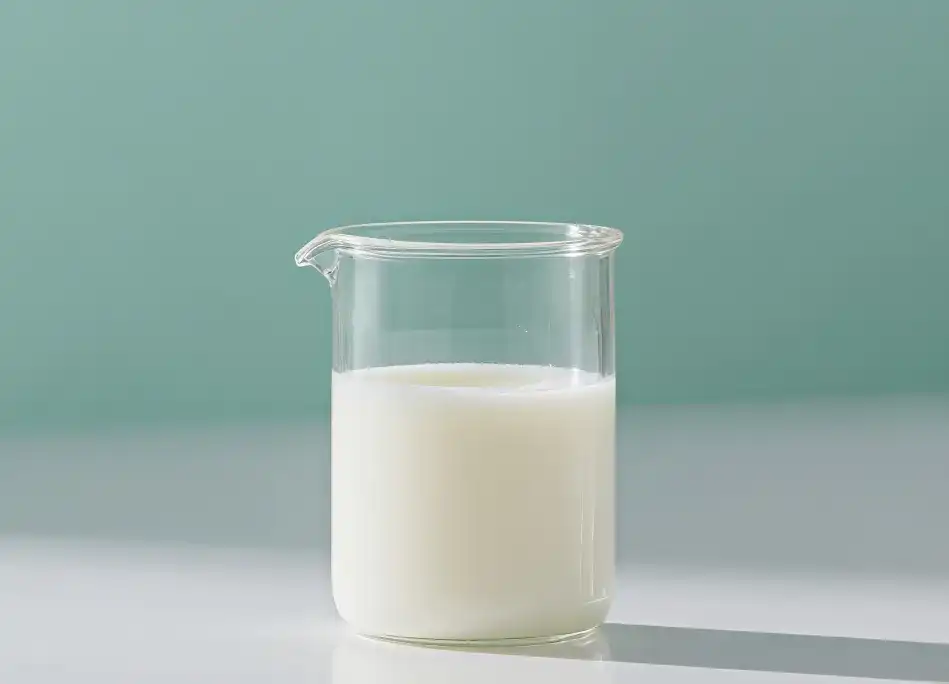
Emulsion-type polyacrylamide is produced through water-in-oil emulsion polymerization, where the active polymer is dispersed as fine particles in an oil carrier. When the emulsion contacts water, it inverts almost instantly, releasing the high-molecular-weight polymer into solution. This inversion mechanism eliminates the long aging time and lumping risks associated with dry powder PAM, making it especially practical for mobile treatment units and temporary installations that lack permanent infrastructure. According to our production specifications, Nuoer’s emulsion PAM reaches full dissolution in 5 to 15 minutes, delivering high molecular weight with uniform distribution and high flocculation efficiency. That speed means operators can begin treating water shortly after arrival on site, without waiting for a separate polymer aging tank. The product also maintains long-term stability in storage, a critical feature when chemicals must sit undisturbed for weeks between project phases.
How Do You Select the Right Ionic Charge Type and Molecular Weight?
Temporary water sources rarely come with a stable, pre-characterized composition. Runoff from a construction site may shift from sandy silt to clay fines after a storm; produced water from an oil field can swing between high oil content and elevated salinity. The starting point for selection is matching the ionic charge of the polymer to the predominant contaminant charge. Anionic emulsion polyacrylamide, with its negative charge, works best on positively charged mineral suspensions and is the standard go-to for mining tailings, coal washing, and construction sediment. Cationic emulsion PAM, carrying a positive charge, is needed when the waste stream contains organic solids, emulsified oils, or negatively charged biological sludge—common in food processing, municipal wastewater, and refinery temporary ponds. Nonionic emulsion polyacrylamide, which carries no charge, offers the widest pH tolerance and works where charge interactions are uncertain, such as acidic mine drainage or mixed industrial runoff.
| Parameter | Anionic Emulsion PAM | Cationic Emulsion PAM | Nonionic Emulsion PAM |
|---|---|---|---|
| Contaminant Type | Mineral solids, clays, coal fines | Organic sludge, oily waste, biological solids | Acid mine drainage, wide pH streams |
| Operating pH | 6–9 | 3–8 | 2–12 |
| Key Selection Criterion | High settling speed | Strong dewatering efficiency | pH-independent flocculation |
| Typical Application | Construction dewatering, mining | Refinery ponds, municipal temporary plants | Acid rock drainage, chemical spills |
Beyond charge type, molecular weight drives floc size and settling rate. An ultra-high molecular weight anionic emulsion PAM, for example, will produce large, heavy flocs that settle in minutes in a simple pond, while a lower molecular weight grade may be needed if the treated water must pass through a downstream filter that cannot tolerate oversized flocs. For most temporary treatment systems that rely on gravity sedimentation, selecting the highest practical molecular weight for the chosen ionic type provides a safe, robust starting point.
What Are the Practical Steps for Dosing and Mixing in the Field?
Because emulsion PAM inverts upon contact with water, on-site mixing can be simpler than many operators expect. The product can be fed directly from the original container using a low-shear metering pump, such as a peristaltic or diaphragm pump. In a batch treatment setup, pouring the emulsion into the vortex of a filling tank often provides sufficient dispersion; for continuous treatment, an in-line static mixer or a simple injection point into a turbulent pipe section is usually enough. After initial mixing, a short aging period of 5 to 15 minutes completes the polymer chain unfolding, after which the dilute solution is ready to dose into the main process stream.
How to handle emulsion PAM without high-shear mixing equipment
One persistent concern we hear from field teams is about the special equipment needed for polymer activation. In reality, emulsion PAM is the most forgiving form for low-infrastructure sites. The water-in-oil droplets release the polymer self-actively, so even a hand-mixed batch can work, albeit with less precision than a metered system. For reliable results on a temporary project, a small portable dosing skid with a metering pump and a 200-liter mixing tank is a sensible investment that avoids manual pouring errors and ensures consistent dose concentration through the shift.
Jar testing basics for variable source water
Given that source water in temporary systems can change from day to day, running a simple jar test at the start of each shift or whenever turbidity spikes is the cheapest insurance against overdosing. Collect a representative sample, add incremental doses of the diluted polymer stock solution, and stir at the same speed as your treatment unit. The dose that produces clear, fast-settling flocs with the least residual turbidity is your operating setpoint. Record the result; a trend of increasing dosage demand often signals a change in raw water quality that may call for a slight formula adjustment.
If your temporary system handles water with both high suspended solids and dispersed oil, a single ionic charge type may underperform. Sending a water sample and your site conditions to en*****@***er.com allows us to verify the optimal charge type and molecular weight before you place an order.
How Can You Ensure Reliable Supply to Remote or Temporary Sites?
Temporary treatment projects tend to be located where permanent supply chains don’t exist: remote mining camps, post-disaster zones, seasonal construction corridors. In these environments, the most technically suitable flocculant becomes irrelevant if it fails to arrive on time or arrives degraded. Emulsion polyacrylamide’s typical shelf life of 6 to 12 months under suitable storage conditions gives it an edge, but reliable supply starts with the manufacturer’s production scale and logistics network. With an annual capacity of 500,000 tons of polyacrylamide and a distribution footprint covering more than 60 countries, Shandong Nuoer Biological Technology maintains ample inventory to fulfill project-specific orders without the lead-time uncertainty that can plague smaller resellers. In the global projects I’ve managed, shipment delays and inconsistent product quality have caused more operational downtime than any other single factor. That experience is why our quality control protocol tests every production lot for dissolution time, molecular weight, and flocculation performance before dispatch, and why we work directly with freight forwarders experienced in delivering chemicals to challenging destinations.
What Should You Specify When Ordering Emulsion Polyacrylamide for a Project?
Moving from technical evaluation to procurement is faster when the supplier receives a complete picture. Before requesting a quotation, assemble the following details: the treatment purpose (sedimentation, dewatering, oil removal), estimated water flow rate and total volume to be treated, key water quality parameters (pH, total suspended solids, oil and grease if present, temperature), the project duration, site storage conditions (ambient temperature range, available enclosed storage), and any discharge or reuse targets you must meet. If you have conducted jar tests, include the optimum dosage found. Our applications team can then cross-reference your data with product specifications and, where useful, arrange a pre-shipment sample for on-site confirmation. Specifying granular details at the outset reduces the risk of over- or under-specifying and shortens the procurement timeline.
What information to provide for an accurate quote
To receive a commercial quotation that matches your needs, in addition to the technical parameters above, let us know: your preferred delivery schedule, the destination port or nearest major city, any special packaging requirements (IBC totes, drums, or bulk), and whether you need documentation such as a certificate of analysis or safety data sheet in a specific language. This allows our sales team to prepare a proposal that covers product grade, quantity, packaging, and delivery terms in a single round of communication.
Getting the Right Emulsion PAM for Your Temporary System
Selecting a flocculant for a temporary treatment project involves technical, logistical, and commercial decisions that are best made with manufacturer support. At Nuoer, we help clients move from water analysis to on-site dosing in a structured, timely manner. Send your project details to en*****@***er.com, or call +86-532-66712876. Our team will recommend a specific emulsion polyacrylamide grade, provide a dosage estimate, and confirm a delivery schedule aligned with your project’s start date.
Frequently Asked Questions About Emulsion Polyacrylamide for Temporary Treatment
What is the shelf life of emulsion polyacrylamide in field storage?
Unopened emulsion PAM typically remains stable for 6 to 12 months when stored between 5°C and 35°C, away from direct sunlight and freezing conditions. In practice, we’ve seen that keeping the product in its original sealed container and avoiding temperature swings is more important than the absolute storage duration. If a container has been exposed to extreme heat or has been opened and partially used, a simple jar test before full-scale application confirms whether performance has changed.
How quickly can I get emulsion PAM shipped to a remote location?
Many project managers assume that specialty chemicals always involve long lead times, but for emulsion PAM from a manufacturer with global distribution, standard delivery to Asia-Pacific, Middle East, and African mining locations typically falls within 2 to 4 weeks after order confirmation, depending on distance and customs clearance. Air freight can be arranged for urgent requirements. Providing an accurate ship-to address and a target arrival date at the inquiry stage helps our logistics team select the fastest reliable routing.
Can I mix emulsion PAM into a batch tank without a chemical metering pump?
It depends on your tank configuration. For simple batch treatment, you can pour the emulsion directly into the tank vortex while filling, as long as the mixing is gentle. However, metering pumps are recommended for continuous-flow treatment to keep dosing consistent. If you must dose manually, fill the mixing tank first, then slowly add the emulsion while stirring, and observe floc formation to adjust the next batch.
How does emulsion PAM perform in cold weather?
In the projects we’ve supplied for northern mining operations, emulsion PAM has performed consistently at temperatures as low as 0°C; however, the dissolution time extends by a few minutes and the polymer solution must not be allowed to freeze. Using heated make-up water or insulating the dosing line resolves most cold-weather issues. If your site will see sub-zero ambient temperatures, let us know so we can recommend packaging and handling precautions tailored to cold climates.
Is emulsion PAM cost-effective compared to dry polymer for a short-term project?
The right question isn’t the per-kilogram price. Emulsion PAM’s real savings come from eliminating the need for costly polymer make-up systems, reducing on-site labor for mixing, and speeding up startup. For projects lasting less than 6 months, the total operational cost usually favors emulsion products, especially when you factor in the risk of dry polymer clumping or under-dosing. Share your project duration and treatment targets, and we’ll help you compare the total cost picture for your specific case. Reach out to en*****@***er.com with your requirements, and we’ll confirm a specification and lead time for your site.
If you’re interested, check out these related articles:
Cationic Polyacrylamide Performance Testing: A Technical Guide
Acrylamide Aqueous Solution: Mastering Gel Production
How Non-Ionic Polyacrylamide Works: pH Stability & Flocculation


 English
 Russian
 Arabic
 Spanish