
Acrylamide monomer purity dictates research reproducibility more than most published protocols acknowledge, because even trace-level inhibitors and metal ions can shift polymerization kinetics in ways that compromise scale-up confidence — a lesson drawn from over a decade of producing microbial-process acrylamide for global polymer R&D. Researchers designing polyacrylamide‑based materials, hydrogels, or copolymers often treat the monomer as a commodity input, yet subtle differences in impurity profiles between suppliers directly influence reaction rates, molecular weight distributions, and the stability of sensitive functionalities. When the goal is a robust, translatable polymerization process, the monomer selection criteria must go well beyond a certificate listing “≥98% purity.”
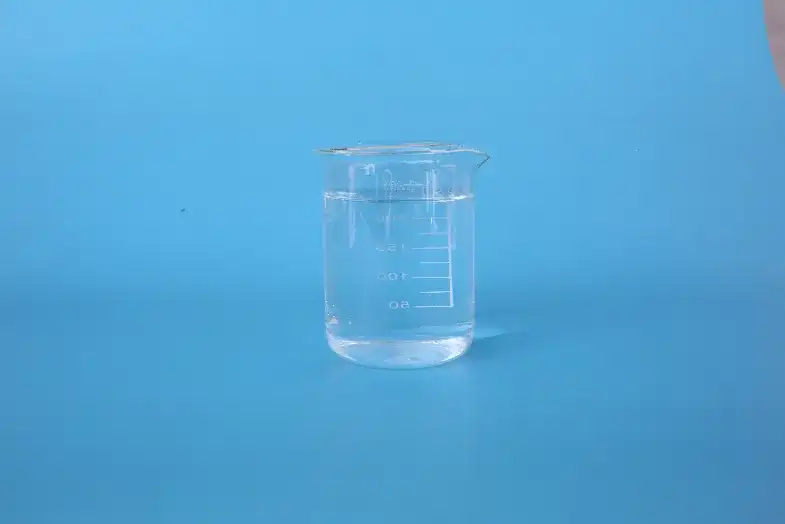
What influences polymerization results more than purity claims alone
A purity specification of 98% tells you nothing about the other 2%. In acrylamide monomer production, the critical variables are conductivity, iron content, and the type and concentration of the inhibitor system. Our AM Crystal, manufactured through a microbial bioconversion route rather than copper‑catalyzed hydration, routinely delivers conductivity below 20 µS/cm and iron under 1 × 10⁻⁶. High conductivity, often from residual inorganic salts, can accelerate side reactions during solution polymerization and create ionic interference in polyelectrolyte synthesis. Iron, even at single-digit ppm levels, shortens the induction period and broadens the molecular weight distribution in free-radical polymerization — effects that are reproducible and measurable in a research setting but are frequently misattributed to initiator efficiency or temperature control.
This matters because most R&D groups validate their polymerization protocols against a single monomer lot. When a subsequent order from a different supplier introduces a shifted impurity baseline, the entire kinetic model can drift. In my experience overseeing production for global customers, researchers who correlate their gel time and viscosity data against the monomer’s actual conductivity and iron figures, rather than against the nominal purity, are far better positioned to transfer their process to a pilot line without re‑optimization.
| Impurity parameter | Typical specification (our AM Crystal) | Effect on polymerization |
|---|---|---|
| Conductivity | ≤ 20 µS/cm | Ionic residues broaden MWD in non‑ionic systems |
| Iron | ≤ 1 × 10⁻⁶ | Shortens induction, accelerates radical consumption |
| Inhibitor content | 3–10 × 10⁻⁶ | Controls shelf stability; must be matched to initiator level |
| Moisture | ≤ 0.8% | High moisture alters initiator stoichiometry in bulk polymerizations |
When does acrylamide crystal outperform aqueous solution in research settings
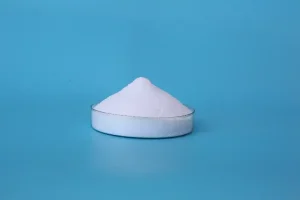
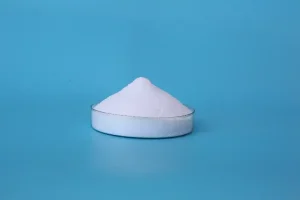
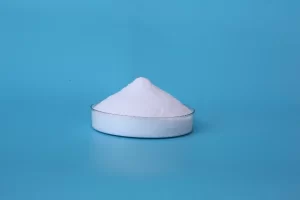
Both forms serve the same chemistry, but the research workflow, storage infrastructure, and scale of the experiment typically make one far more practical. Acrylamide crystal, supplied as dry white flakes with high chemical stability, offers clear advantages when the polymerization requires precise mass‑based formulation, when the solvent system is non‑aqueous, or when lab storage space is limited and long shelf life is critical. Our crystal grade maintains a shelf life of up to 1–2 years when kept cool and dark, with negligible inhibitor depletion over the first 12 months, a property that is crucial for multi‑year academic projects or method‑development programs.
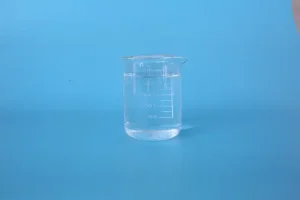
Aqueous acrylamide solutions simplify handling and eliminate the dissolution step, which reduces operator exposure to dust and speeds up bench‑work. However, solutions are less tolerant of temperature excursions, and the inhibitor distribution can become uneven over time if storage conditions fluctuate. For a research group that consumes small volumes intermittently, the crystal form often proves more economical because it avoids the waste of partial drum usage and the uncertainty of whether the solution’s inhibitor concentration has drifted since the last opening.
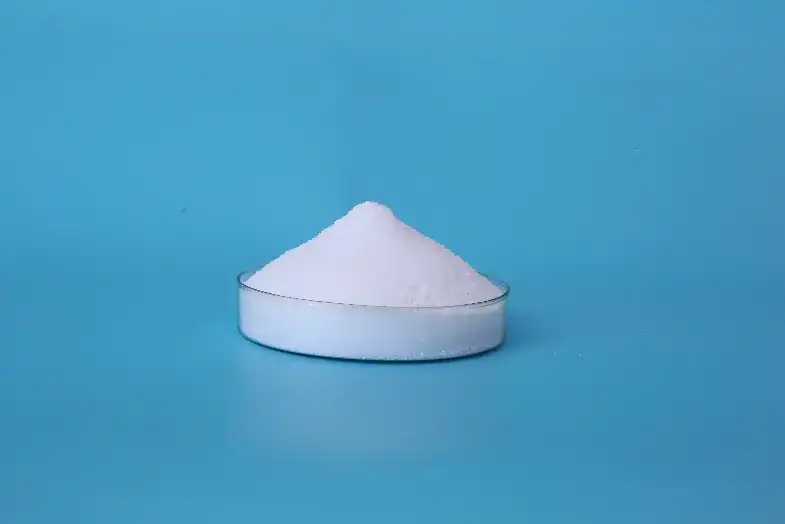
| Criteria | Acrylamide crystal | Acrylamide aqueous solution |
|---|---|---|
| Storage shelf life | 12–24 months under cool, dark conditions | 6–12 months; sensitive to UV and heat |
| Formulation precision | Direct weighing for exact stoichiometry | Requires density measurement for accurate molar calculation |
| Handling | Dust control needed; dissolve before use | No dissolution step; low dust |
| Typical research use | Bulk polymerization, non‑aqueous systems, long‑term projects | Solution polymerization, continuous‑flow setups, high‑throughput |
What supplier capabilities matter for R&D monomer procurement
A supplier that trades solely on price will rarely invest in the analytical support and batch‑to‑batch documentation that a research program depends on. When I evaluate monomer sources for a customer’s R&D program, I look at three markers that sit outside the certificate of analysis: the production route, the level of batch‑specific impurity data the supplier is willing to share, and the consistency of the inhibitor addition across seasons. Our microbial acrylamide process naturally avoids the copper‑catalyst residues that can contaminate conventional monomer streams and that, even at low concentrations, chelate with functional monomers in copolymer synthesis, altering reactivity ratios in ways that are difficult to troubleshoot from a simple conversion measurement.
We supply every R&D shipment with a full batch report that includes conductivity, iron, inhibitor concentration, and pH, not just a pass‑fail statement. If your polymerization is sensitive to ionic strength, knowing that your first lot had a conductivity of 12 µS/cm and your second lot 14 µS/cm allows you to adjust your buffer formulation before the experiment, not after a failed run. This level of transparency is, in our experience, what separates a reliable R&D‑scale supply from a spot purchase that introduces unplanned variables.
How to transition from small‑scale monomer selection to larger batches without surprises
The most common mistake I see when a process moves from 500‑mL glass reactors to 50‑L pilot vessels is assuming that the same monomer grade will behave identically at all scales. In practice, the inhibitor level that was adequate to stabilize a 500‑g crystal jar over a year may accumulate a different thermal history during bulk storage and transport, and minor surface‑area effects on inhibitor partitioning become magnified. A practical safeguard is to request a retained sample from the exact production lot your R&D‑scale monomer came from, then spike a small aliquot of that retained material with a measured amount of additional inhibitor to model the worst‑case holding time your pilot operation might experience. If the polymerization result remains within your specification window, the process is robust enough to proceed. If not, adjusting the initiator package at pilot scale is far less costly than discovering variable conversion rates mid‑production.
Another consideration is documentation. Regulatory evidence packages for scaled‑up specialty polymers increasingly require traceability back to the monomer lot, including impurity data and storage conditions. A supplier that can provide electronic batch records and retain physical retain samples for the lifespan of the production campaign significantly reduces your own archival burden. Since our production lines run the same high‑purity microbial process for all output, whether it is a 1‑kg R&D pack or a multi‑ton order, the impurity baseline does not shift just because the order size changes, and we retain batch files for five years as a standard practice.
If your program involves a multi‑stage copolymerization where even slight variations in metal ion content could shift the reactivity ratio, it is worth confirming the supplier’s batch‑level iron data before scaling up — reach out at en*****@***er.com and we can share the actual impurity trace for the exact lot you are considering.
Storing and handling acrylamide monomer in the research lab
Most stability problems in a research setting originate not from the monomer itself but from repeated opening of containers and exposure to ambient humidity and oxygen. Acrylamide crystal absorbs moisture readily; once the moisture content rises above 1%, the dissolution time increases, and the precise mass‑based formulation you worked out earlier no longer applies unless you re‑determine the dry weight. We recommend decanting the crystal into smaller amber glass vials under dry nitrogen in a glove bag, sealing each vial for single‑experiment use. This practice maintains the original moisture specification and prevents inhibitor loss through gaseous diffusion across multiple headspace exchanges. For aqueous solutions, the critical parameter is storage temperature: while the solution remains stable at 15–25 °C in the dark, excursions above 30 °C accelerate inhibitor consumption and increase the risk of spontaneous polymerization. A dedicated refrigerator at 4–8 °C, equipped with a temperature logger, is a sound investment for any lab that keeps monomer solution beyond three months.
Aligning your monomer source with research reproducibility
Inconsistent monomer quality can mask genuine scientific observations for months, and the cost of lost research time far outweighs the price difference between a documented, production‑consistent monomer and a commodity grade with unknown lot‑to‑lot drift. After fifteen years of producing acrylamide monomer through the microbial route for customers ranging from academic labs to industrial polymer manufacturers, I have seen that the fastest path to a reproducible, scale‑ready polymerization is not more elaborate initiator studies but a monomer source that eliminates the hidden variables of ionic impurities, iron, and inhibitor inconsistency. Share your specific polymer synthesis goals and the volume range you anticipate — from benchtop samples to pilot‑scale quantities — with us at en*****@***er.com or call +86‑532‑66712876, and we will supply the batch‑specific impurity data and a representative sample so you can verify performance in your own system before committing.
Common questions about acrylamide monomer for R&D
What purity level is truly necessary for academic polymer research?
For most free‑radical polymerization studies, a purity of 98% with controlled impurity limits is sufficient provided the conductivity and iron levels are documented and consistent. The issue is not the nominal purity number but whether the impurity profile remains stable across multiple lots. A 98% monomer that consistently contains 5 ppm inhibitor and 0.5 ppm iron will yield far more reproducible results than a 99% monomer whose inhibitor level swings between 2 and 15 ppm because the producer treats inhibitor addition as an afterthought. Our research‑grade monomer is routinely held within 3–10 ppm inhibitor and ≤1 ppm iron, which places the lot‑to‑lot variation within a band that most initiator systems can absorb without re‑optimization.
Will the inhibitor in acrylamide monomer interfere with my free‑radical polymerization?
It will, but that is its intended function. The inhibitor is present to prevent premature polymerization during storage and shipping. The question is whether the inhibitor concentration is consistent enough that your initiator package can be designed to overcome it predictably. When the inhibitor level stays within a narrow range, you simply add the corresponding stoichiometric excess of initiator and the effective radical flux remains constant. Problems arise when inhibitor concentration drifts significantly between lots, because your initiator charge, calculated based on a previous lot, may leave you with either an unreactive system or a runaway reaction. Checking the supplier’s batch‑to‑batch inhibitor data is the single most effective safeguard.
How should I store acrylamide monomer to maximize its stability over a year‑long project?
For crystal monomer, store in tightly sealed amber containers at 4–10 °C with a desiccant pack, and avoid re‑opening the bulk container repeatedly. Re‑pack into single‑use vials under dry conditions. For solution, keep at 4–8 °C, shielded from light, and avoid leaving the container open to ambient air. Record the date of first opening and monitor inhibitor concentration if the solution will be held beyond six months. Following these practices, we have customers who use the same monomer lot successfully for two years with no detectable shift in polymerization performance.
Can I obtain a small R&D sample before placing a production‑scale order?
Yes, and this is standard practice for serious R&D groups. We supply evaluation samples in both crystal and solution forms, accompanied by the full analytical data for that specific batch. Testing the sample under your exact polymerization conditions takes the guesswork out of scale‑up and lets you confirm compatibility with your initiator system, solvent, and process equipment before any commercial commitment is made. Share your requirements with us at en*****@***er.com and we can arrange a sample that matches your intended application.
If you’re interested, check out these related articles:
Emulsion PAM for Mobile Water Treatment Units: A Strategic Guide
Acrylic Acid Storage Stability: Enhancing Industrial Shelf Life
Amphoteric Polyacrylamide: Unlocking Industrial Versatility Across Sectors


 English
 Russian
 Arabic
 Spanish